📅 Published: June 25, 2026 | 🔄 Last Update: June 25, 2026 | ⏱️ Read Time: 7 min read
TL;DR
Wallpaper adds pattern, depth and character. Paint offers flexibility, easy maintenance and moisture resistance. Wallpaper suits dry rooms and feature walls, lasting around 8 to 13 years. Paint works better for full-home use, kitchens and humid areas, lasting 4 to 7 years. For most Indian luxury homes, using paint as the base and wallpaper as a focal point gives the best result. Wall condition, humidity and long-term upkeep should guide the final choice.
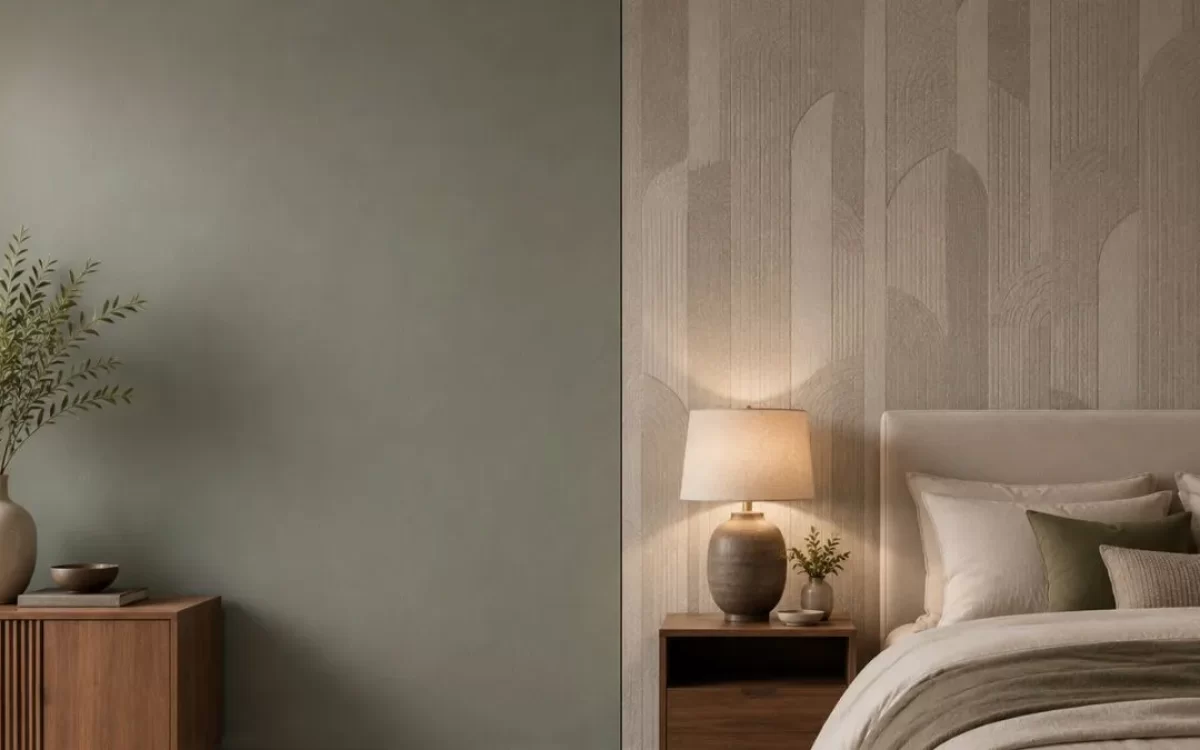
Choosing between wallpaper and paint may look simple until you plan the actual room. Paint offers flexibility, easy maintenance and a wide choice of colours. Wallpaper brings pattern, depth and character that ordinary paint may not achieve.
For Indian homes, the decision also depends on humidity, wall condition, sunlight, room usage and long-term maintenance. This wallpaper vs paint comparison explains cost, lifespan, safety and room-wise suitability for luxury homeowners, architects and interior designers.
What Is the Main Difference Between Wallpaper and Paint?
Paint is a liquid coating applied over a prepared wall. It can create matt, satin, glossy, textured or metallic finishes.
Wallpaper is a decorative covering supplied in rolls or panels. It may be made from paper, vinyl, fabric-backed material or non-woven fibres and is installed using adhesive.
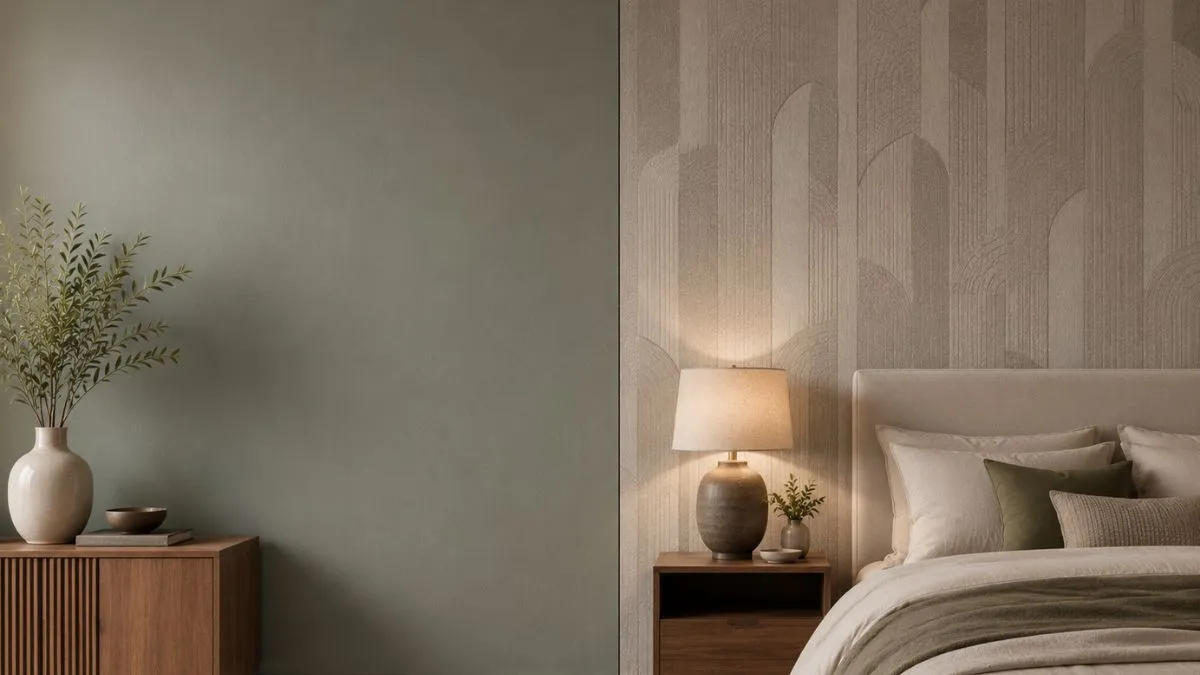
Paint works through colour, sheen and texture. Wallpaper can introduce detailed patterns, murals and finishes that resemble linen, timber, concrete, stone or metal.
Paint works well when you want:
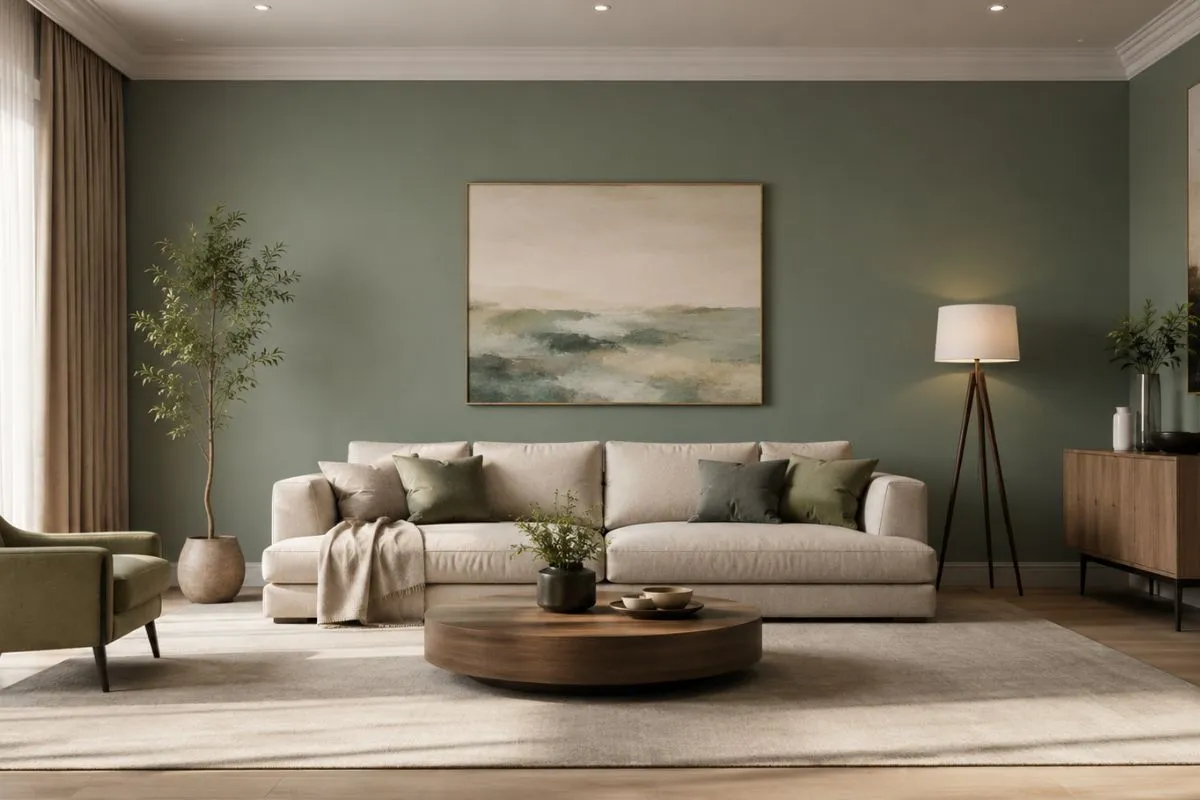
- A clean and timeless background
- Easy colour changes later
- A consistent finish across rooms
- Better repair options
- Greater control over washability
Wallpaper works well when you want:
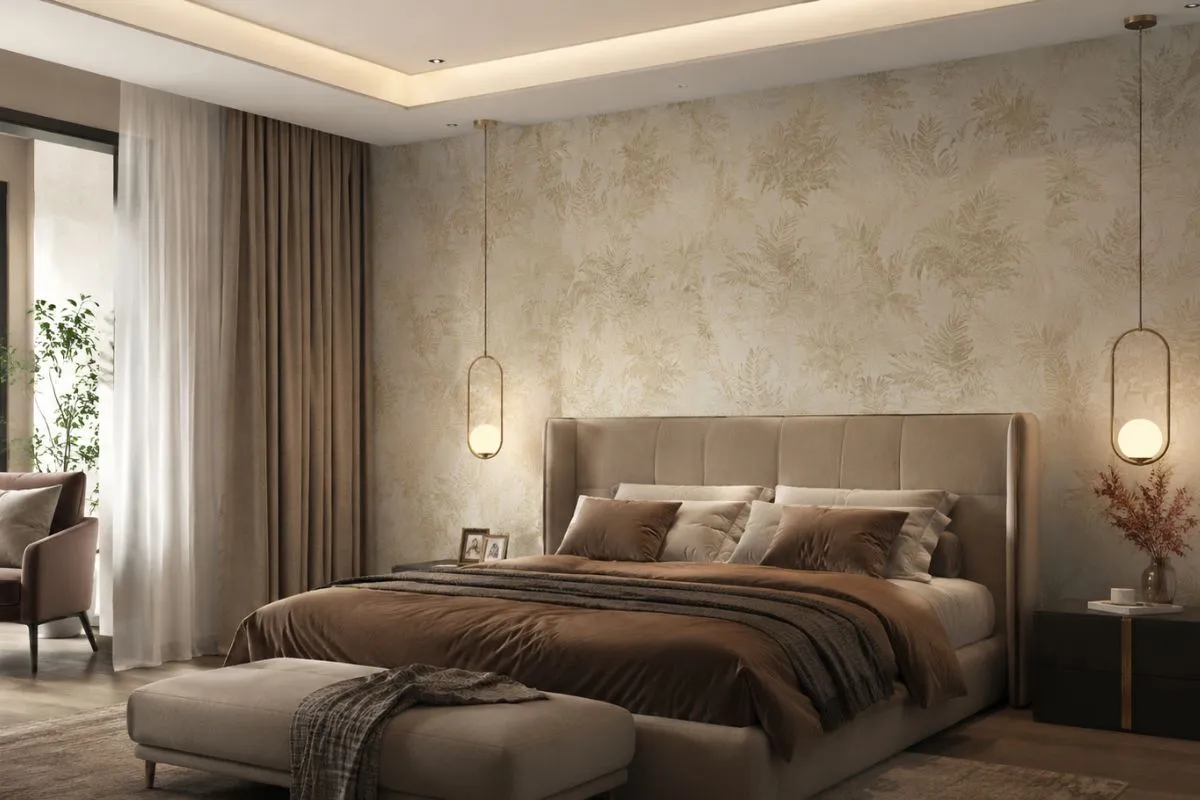
- A strong feature wall
- Detailed prints or custom murals
- The appearance of fabric, wood or stone
- Quick visual impact
- A layered decorative scheme
How Much Does Wallpaper vs Paint Cost in India?
The cost of wallpaper vs paint changes according to product quality, wall preparation, installer experience, city and pattern complexity.
Premium interior paint systems may cost around ₹20 to ₹55 per sq. ft. Wallpaper material may range from approximately ₹30 to ₹150 per sq. ft., while installation may be charged separately.
The wallpaper cost per sq ft should not be judged only by the roll price. Adhesive, wall levelling, wastage, pattern matching and installation also affect the final amount.
| Comparison Factor | Interior Paint | Wallpaper |
|---|---|---|
| Approximate cost | ₹20–₹55 per sq. ft. | ₹30–₹150+ per sq. ft. |
| Installation time | Longer due to drying | Faster on a prepared wall |
| Visual options | Colours, sheen and textures | Prints, murals and material effects |
| Typical lifespan | Around 4–7 years | Around 8–13 years in dry conditions |
| Repair | Easier to touch up | A strip may need replacement |
| Moisture suitability | Better with the right product | Risky on damp walls |
| Future changes | Easier and cheaper | Removal may affect the putty |
| Best use | Full home and high-use areas | Feature walls and formal spaces |
These are indicative figures. Request a quotation that separates material, labour and preparation costs.
Which Finish Looks More Luxurious?
Wallpaper creates an immediate focal point. A mural, silk-inspired texture or subtle metallic pattern can add depth to a living room, dining area or bedroom.
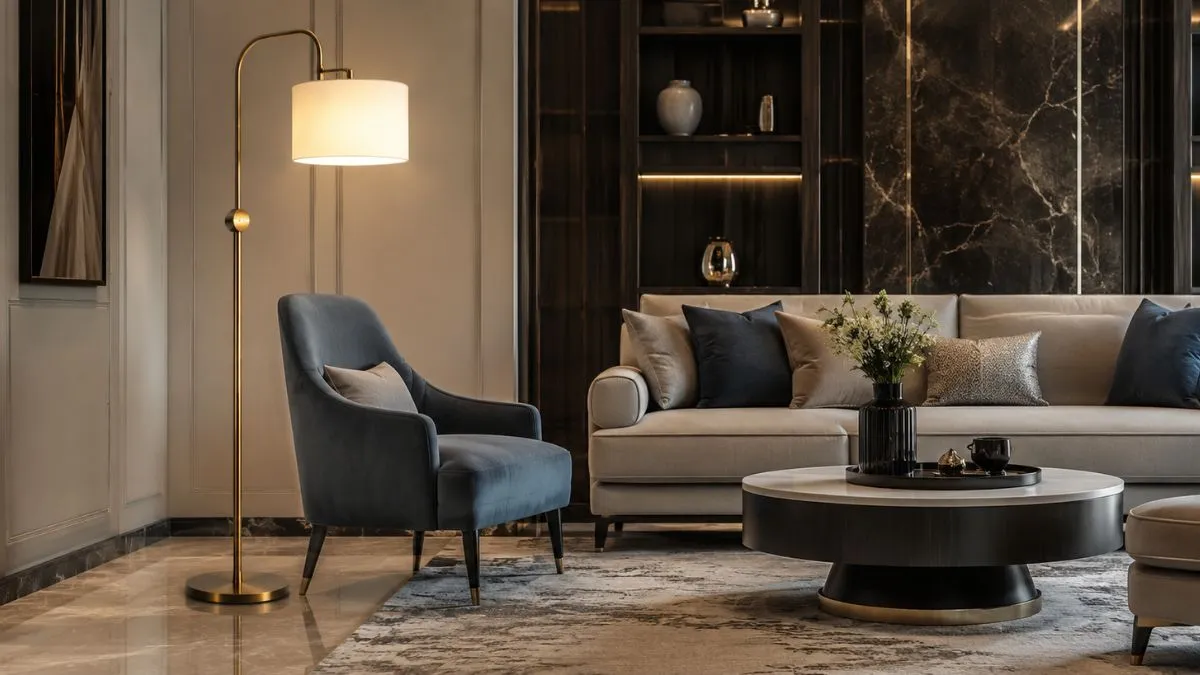
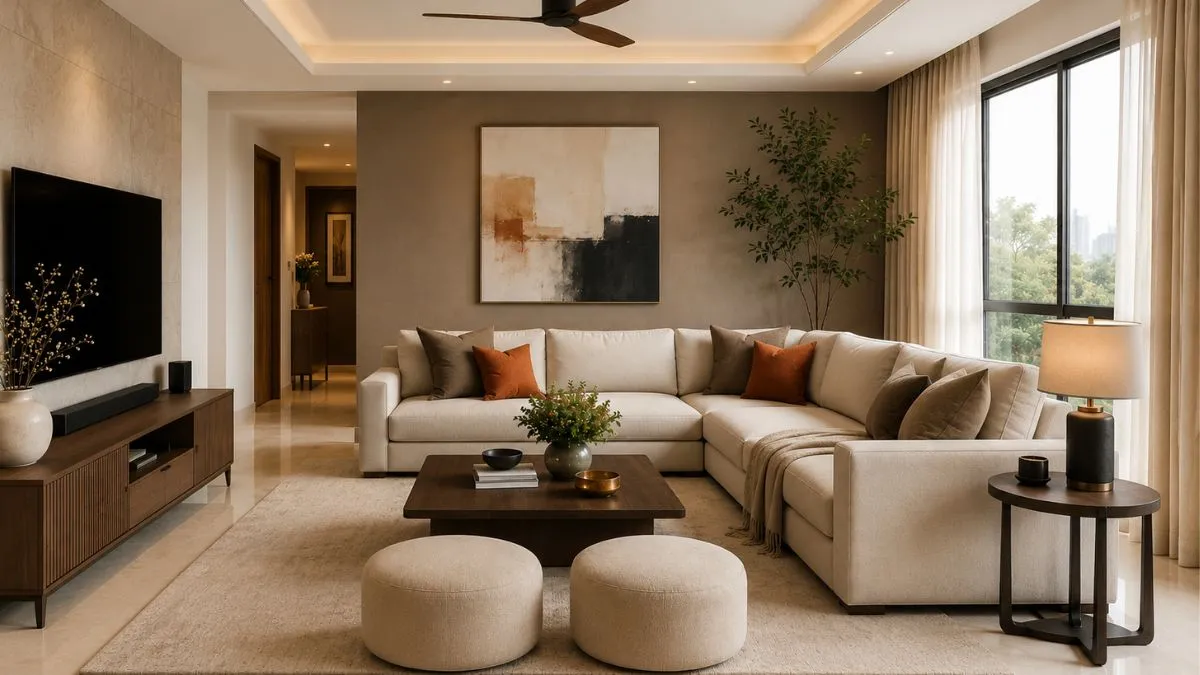
Paint creates a quieter kind of luxury. A smooth matt surface, warm neutral shade or deep colour can make a space feel refined without becoming visually heavy.
Wallpaper for Expressive Interiors
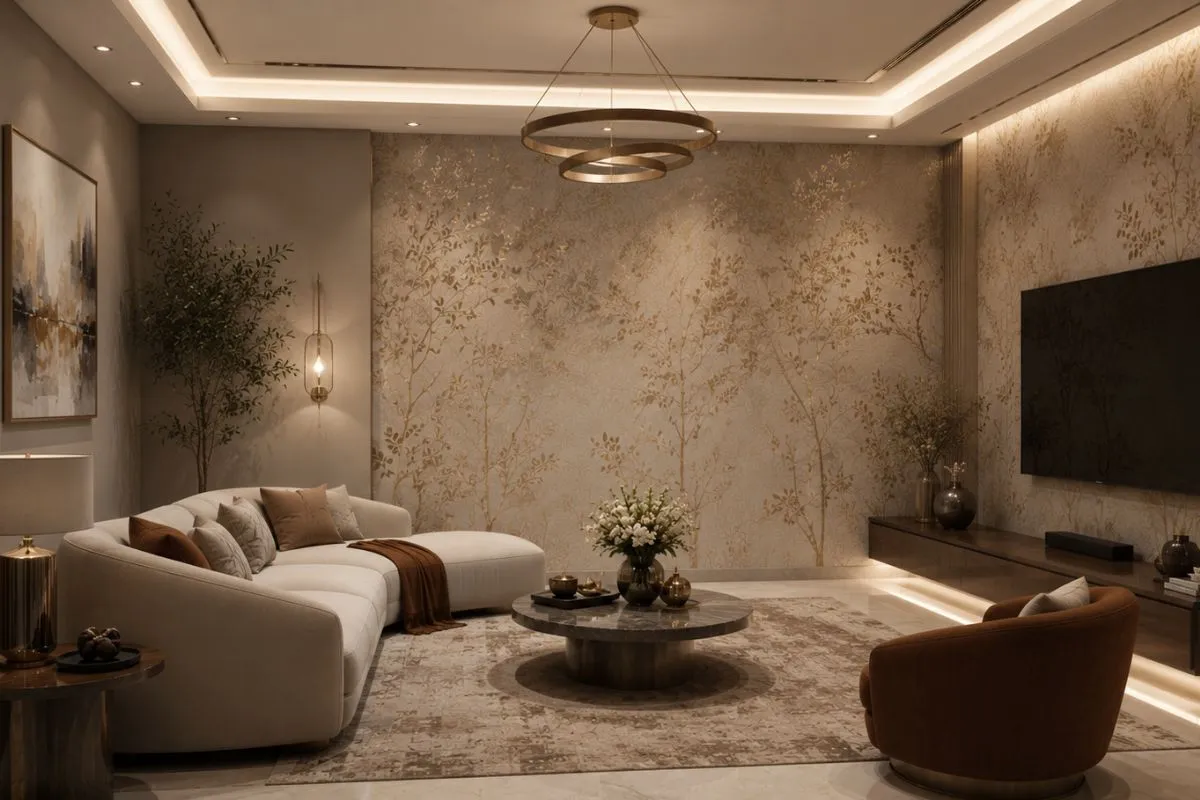
Among luxury wall finishes in India, wallpaper works well when a room needs a stronger identity. It can be used for:
- A botanical wall behind a sofa
- A linen-effect bedroom finish
- A customised dining-room mural
- A geometric study wall
- A metallic pattern behind a console
Paint for Understated Interiors
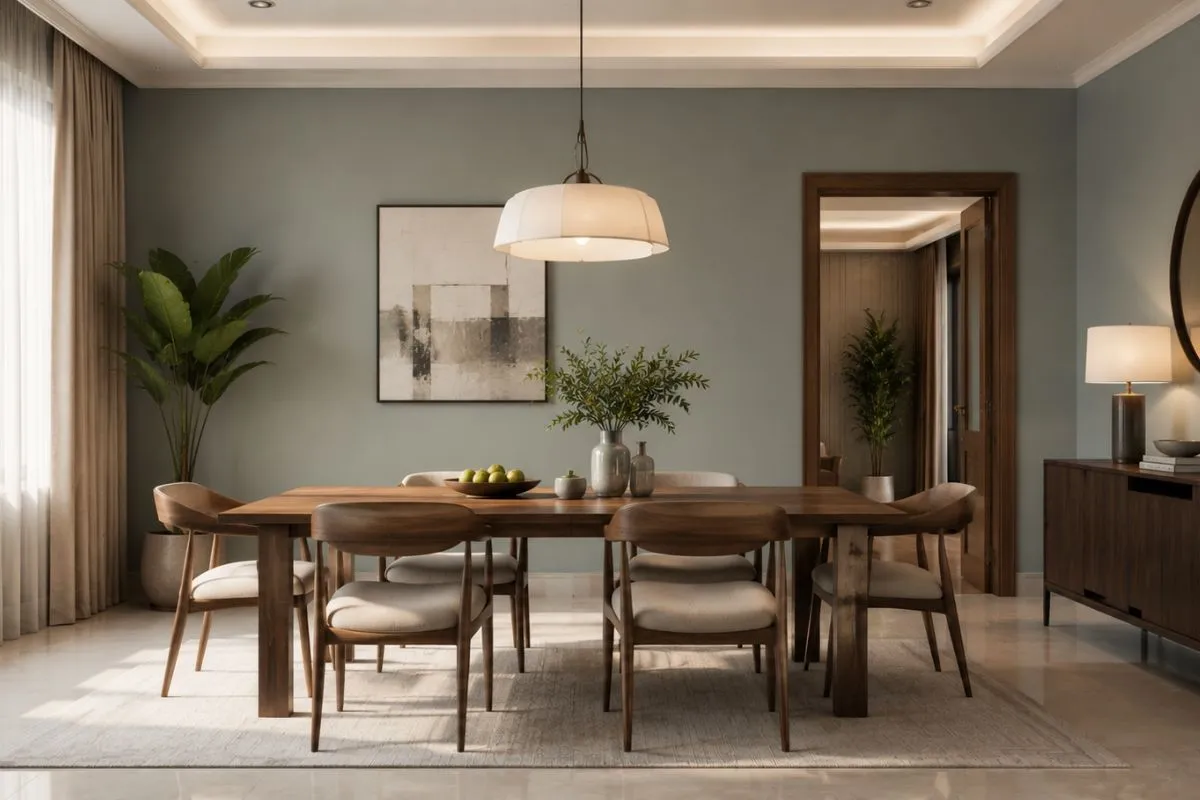
Paint is often better when the room already includes marble, veneer, panelling, artwork or statement lighting.
The best paint for interior walls should be selected by more than colour. Consider washability, sheen, VOC content, fungal resistance and natural light.
Which Lasts Longer: Wallpaper or Paint?
Wallpaper can last longer than ordinary paint when installed on a dry, smooth and stable wall. Good-quality vinyl or non-woven wallpaper may remain attractive for several years.
However, wallpaper is less forgiving when the wall has moisture, cracks or poor plaster. Wallpaper can fail because of leakage from a bathroom, balcony or external wall.
Paint may show marks or fading sooner, but it is easier to refresh. Small repairs are also more practical when the original shade is available.
CPWD finishing specifications highlight the importance of layered preparation using primer, wall putty and emulsion coats. The exact system may vary in a residence, but the principle remains the same: durability begins below the visible surface.
READ ALSO: Don’t Choose Wall Colors Blindly: Find the Best Color for Home Interior
How Does the Indian Climate Affect Wallpaper vs Paint?
Indian homes face varied conditions. Coastal cities experience humidity and monsoons. Northern cities deal with dust, harsh summers and temperature changes. Hill homes may face condensation.
Wallpaper performs best in dry, stable rooms. Paint offers more flexibility because products can be selected for different conditions.
Wallpaper in Humid Areas
Wallpaper may peel, bubble or stain when moisture enters behind it. Before installation:
- Repair plumbing and external leakage
- Treat fungal growth
- Check cracks near windows and balconies
- Allow fresh plaster to dry fully
- Never cover active damp patches
Paint in Moisture-Prone Areas
For kitchens, bathrooms, utility rooms and balcony-adjacent walls, paint is usually more practical. Choose a washable or moisture-resistant product suited to the space.
Never paint directly over dampness. Correct the source first.
Which Option Is Better for Indoor Air Quality?
Both finishes can affect indoor air during installation.
Paint may release volatile organic compounds, commonly called VOCs. Wallpaper systems may also involve adhesive, ink, backing materials and protective coatings.
The Bureau of Indian Standards revised IS 15489:2024 for plastic emulsion paint, reducing the maximum lead limit to 90 ppm and adding VOC-related requirements.
When selecting paint, look for low-VOC content, compliance information, drying instructions, washability and fungal resistance. For wallpaper, ask about the adhesive, ink and backing material. Ventilate the room properly after installation.
What Should You Check Before Installation?
The wall condition matters more than the catalogue image.
Inspect the surface for:
- Cracks and loose plaster: Check for visible cracks or areas where plaster is coming off, as these can affect finish quality.
- Damp or fungal patches: Look for moisture spots or fungus growth, which can damage both paint and wallpaper.
- Uneven putty: Ensure the wall surface is smooth and level, as uneven putty can cause an imperfect finish.
- Leakage near bathrooms or balconies: Inspect nearby areas for water leakage that may weaken the wall over time.
- Direct sunlight: Consider how strong sunlight may fade colours or affect material durability.
- Previous paint failure: Identify peeling or flaking old paint, which indicates poor surface preparation.
- Air-conditioning condensation: Watch for moisture buildup from AC units that can lead to dampness on walls.
For paint, apply a large sample on the actual wall and observe it in daylight and artificial light.
For wallpaper, place a large sample against the wall. Check pattern scale, seam visibility and how it appears from the entrance.
Can Wallpaper and Paint Be Used Together?
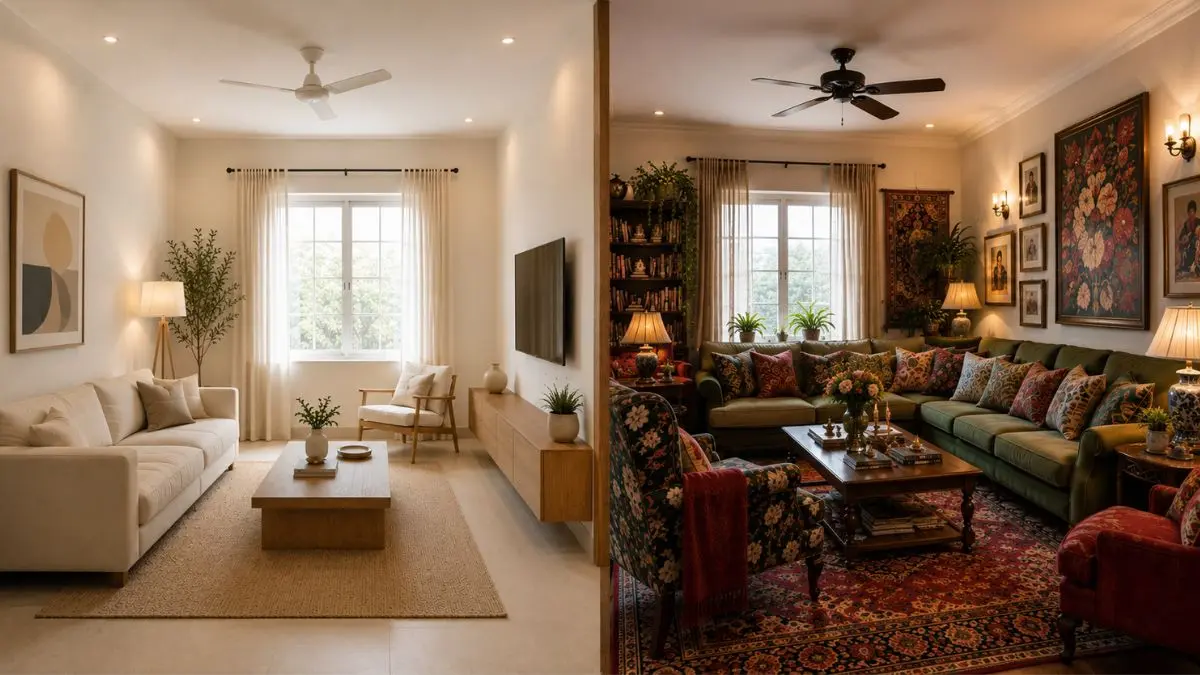
Yes. In many luxury homes, a combination gives the most balanced result.
Paint can create continuity, while wallpaper can highlight selected areas such as the entrance, dining wall, master bedroom or reading corner.
Poor installation can cause visible seams, trapped air, patchiness or peeling.
A practical approach is to:
- Use one main paint palette across the home
- Add wallpaper only where a focal point is needed
- Repeat one wallpaper colour on nearby painted walls
- Keep the ceiling simple when the pattern is strong
- Coordinate the finish with curtains and furniture
Wallpaper can also be framed within mouldings or panels, reducing the quantity required and giving it a more architectural look.
How Should You Make the Final Choice?
Choose wallpaper when you want a statement wall, custom mural or layered decorative finish. It works best in dry rooms with smooth walls.
Choose paint when maintenance, repair, moisture resistance and future colour changes matter more. It remains practical for full-home application, kitchens, bathrooms and high-contact areas.
For most Indian luxury homes, the best answer to wallpaper vs paint is a thoughtful combination. Use paint as the dependable base and wallpaper where the room needs more personality.
READ ALSO: Warm White vs Cool White Paint: How to Choose the Right Shade
FAQ’s
1. Is Wallpaper More Expensive Than Paint?
Wallpaper usually has a higher upfront cost because material, adhesive and skilled installation are charged separately.
2. Can Wallpaper Be Installed on a Damp Wall?
No. Repair the source of dampness first, or the wallpaper may peel, bubble or develop fungal marks.
3. Which is Better for a Living Room?
Paint offers flexibility, while wallpaper suits a strong feature wall. Many luxury living rooms use both.
4. What is the Best Paint for Interior Walls?
A low-VOC, washable premium emulsion suited to the room’s moisture and traffic level is usually the most practical choice.