📅 Published: June 24, 2026 | 🔄 Last Update: June 24, 2026 | ⏱️ Read Time: 8 min read
TL;DR
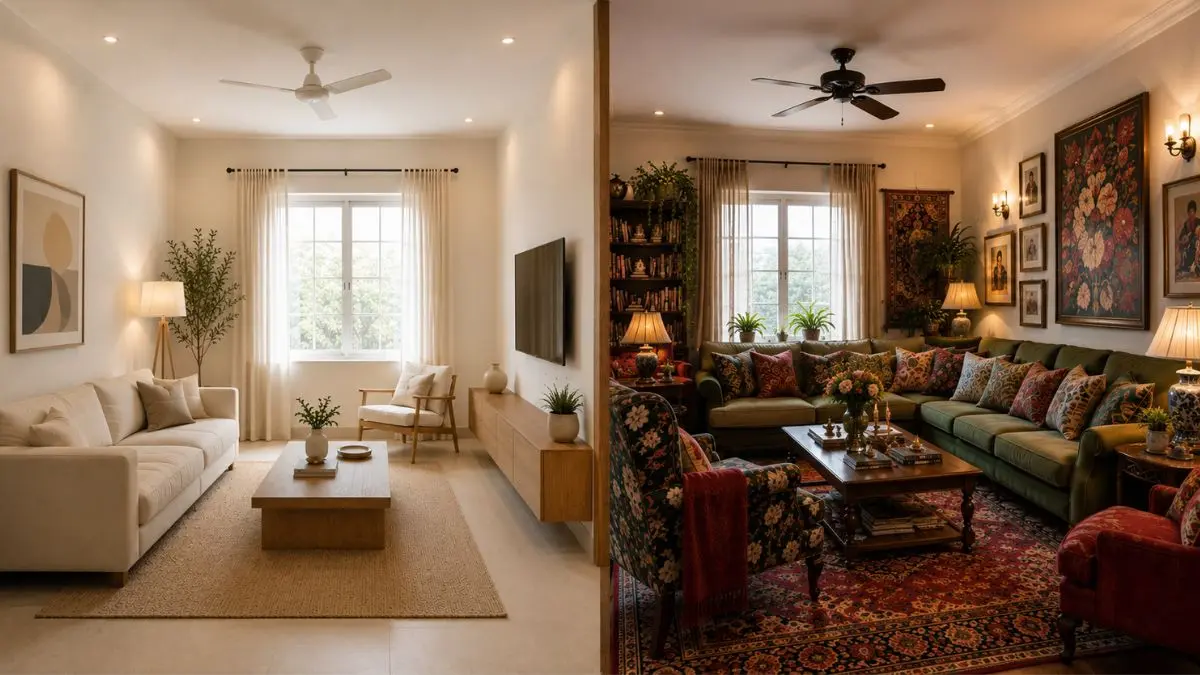
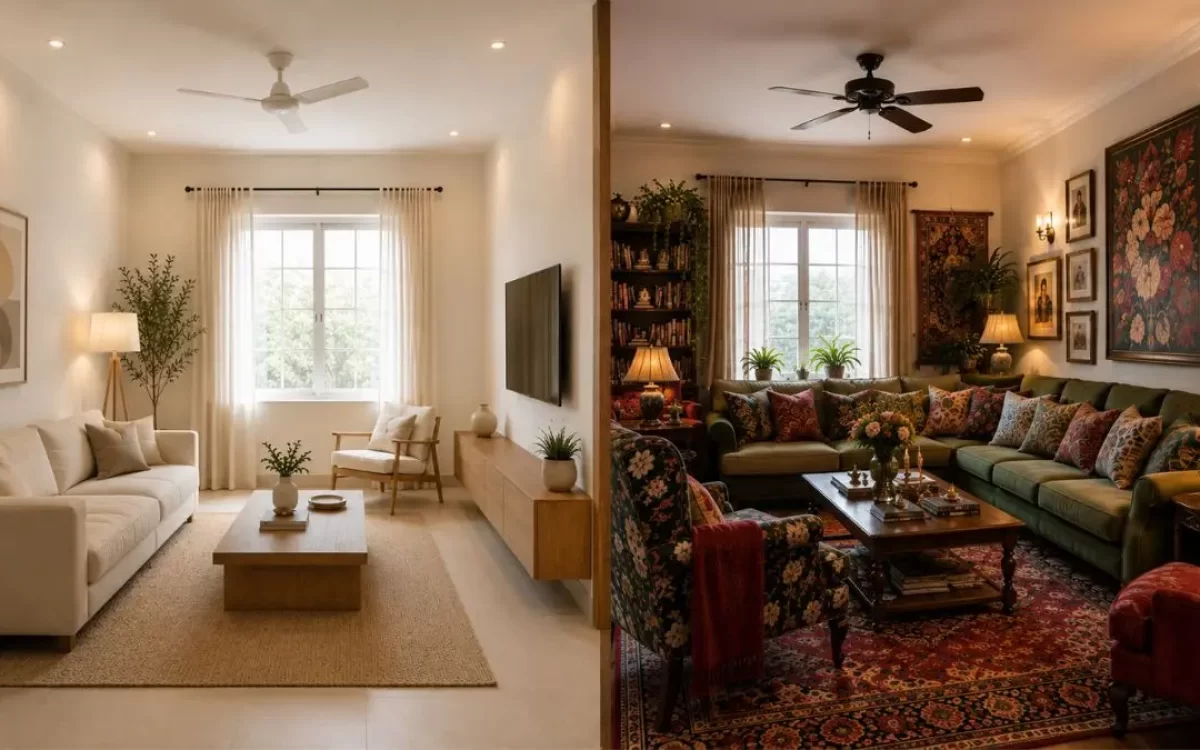
Minimalist style favors clear surfaces, hidden storage and a calm color palette, while maximalist style favors layered colors, patterns and collected objects with personality. Neither approach is automatically luxurious, since the real result depends on proportion, comfort and craftsmanship.
The right pick depends on your daily routine, your cleaning habits and how much visual richness feels comfortable to you. Many homeowners land somewhere in between, using warm minimalism or curated maximalism to combine a simple base with personal character.
Where Do the Two Styles Differ Most?
| Design point | Minimalist style | Maximalist style |
|---|---|---|
| Main idea | Fewer, carefully chosen pieces | More layers with a clear connection |
| Colour | Neutral, earthy or tonal | Bold, deep or contrasting |
| Furniture | Low to moderate density | Moderate to high density |
| Storage | Mostly hidden | Hidden storage plus open display |
| Pattern | Used sparingly | Used across fabrics, art and surfaces |
| Maintenance | Easier to dust, but clutter shows quickly | Needs regular cleaning and editing |
| Best quality | Calm and clarity | Character and richness |
| Main risk | Looking unfinished | Looking overcrowded |
Choosing an interior style is easy when you are saving attractive rooms online. It becomes harder when you have to live with that choice every day.
One room feels calm, open and almost silent. Another is filled with art, colour, books and objects collected over time. Both can look luxurious. Both can also go wrong when the style is copied without thinking about the people who will use the space.
That is the real point of the minimalist vs maximalist debate. It is about understanding how you live, what you enjoy looking at and how much visual activity feels comfortable to you.
Are Minimalist and Maximalist Interiors Truly Opposite?
They look opposite, but the thinking behind them is similar. Both styles need control.
A minimalist room uses fewer elements, so every piece must earn its place. A maximalist room uses more elements, so those pieces need a clear connection. One depends on restraint. The other depends on layering.
What Minimalist Interior Design Actually Looks Like
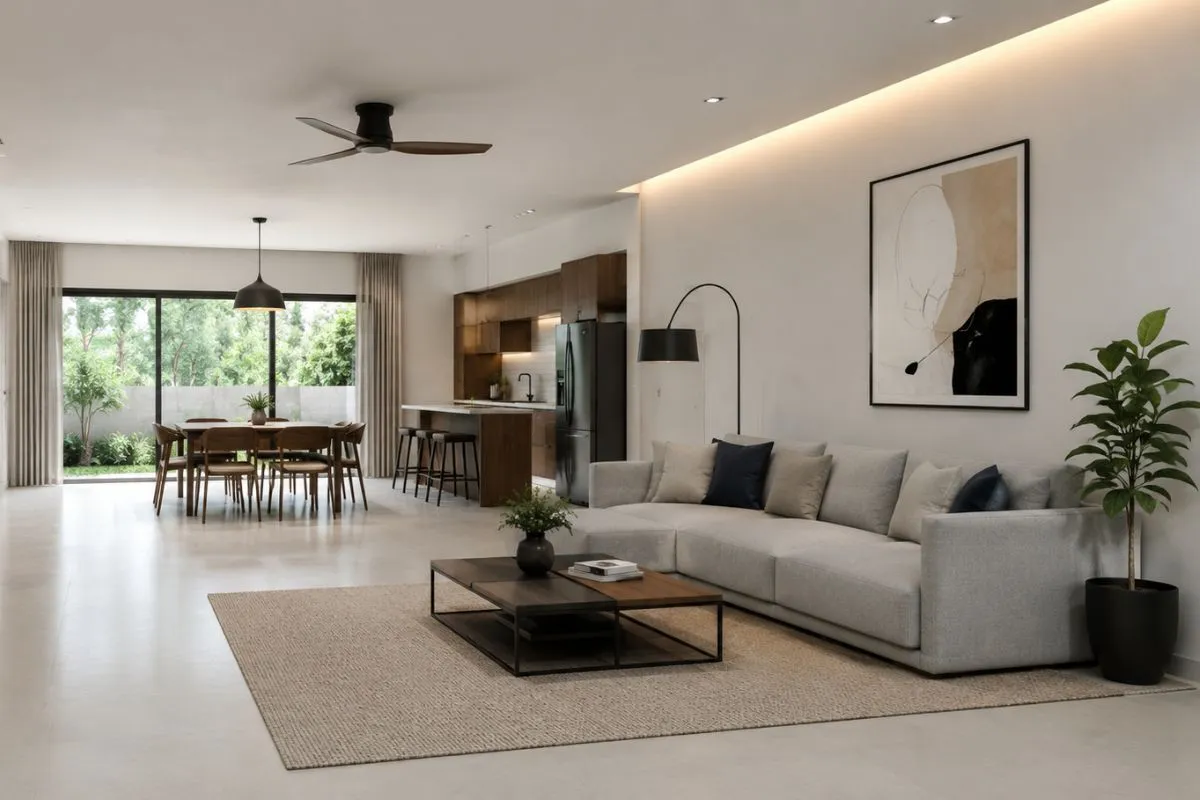
Minimalist interior design is built around function, proportion and visual quiet. Furniture tends to have clean forms, movement remains open and the colour palette stays controlled.
You will usually see:
- Simple furniture with clear shapes
- Warm neutrals or a limited colour scheme
- Built-in storage
- Fewer decorative pieces
- Plenty of breathing space
- Strong natural light
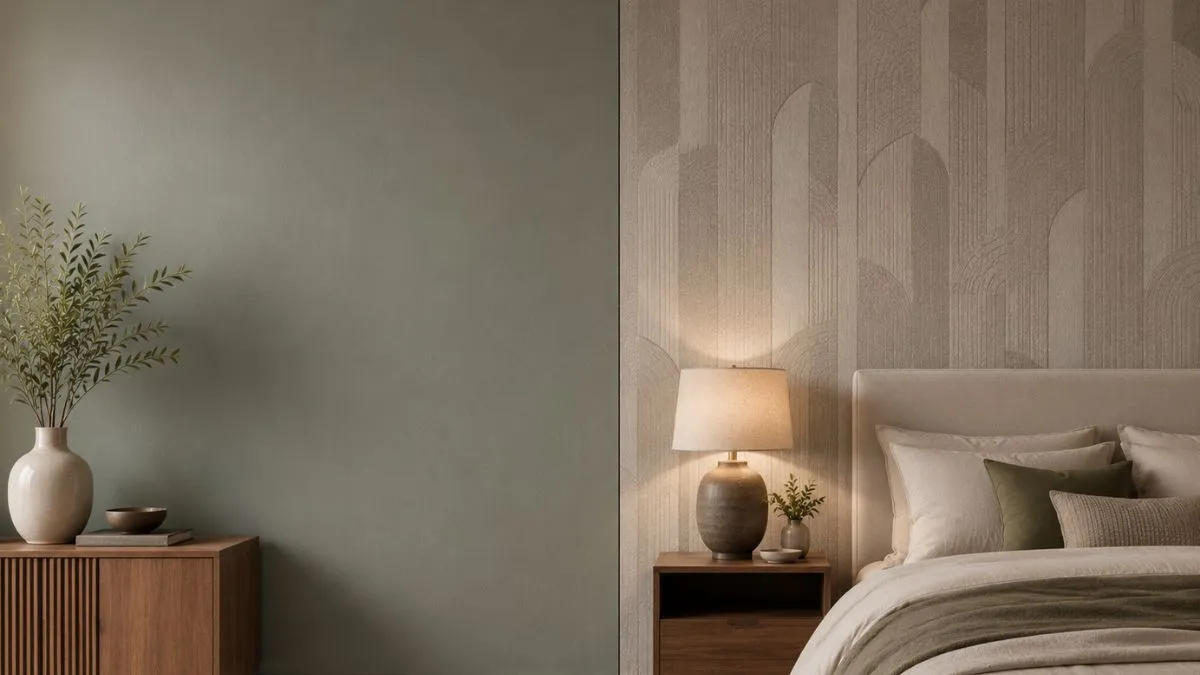
A good minimalist home does not feel cold. Wood grain, linen, stone, matte finishes and soft lighting add warmth without disturbing the clean look.
What Gives Maximalist Home Decor Its Personality
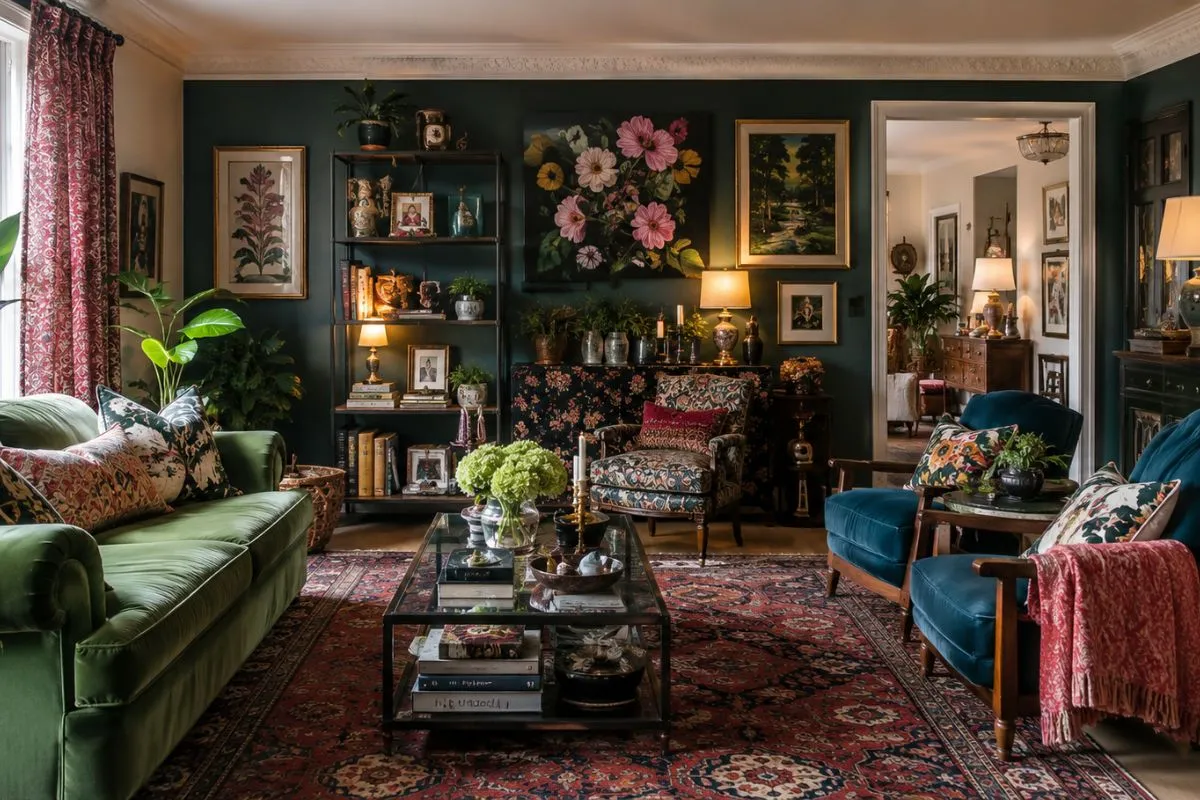
Maximalist home decor allows a room to hold more stories. Art, books, textiles, inherited furniture and travel finds can all become part of the design.
It often includes rich colours, layered fabrics, mixed prints, gallery walls and statement lighting. The keyword is collected. A maximalist room should feel as though it grew over time.
Could Minimalism Suit Your Daily Routine?
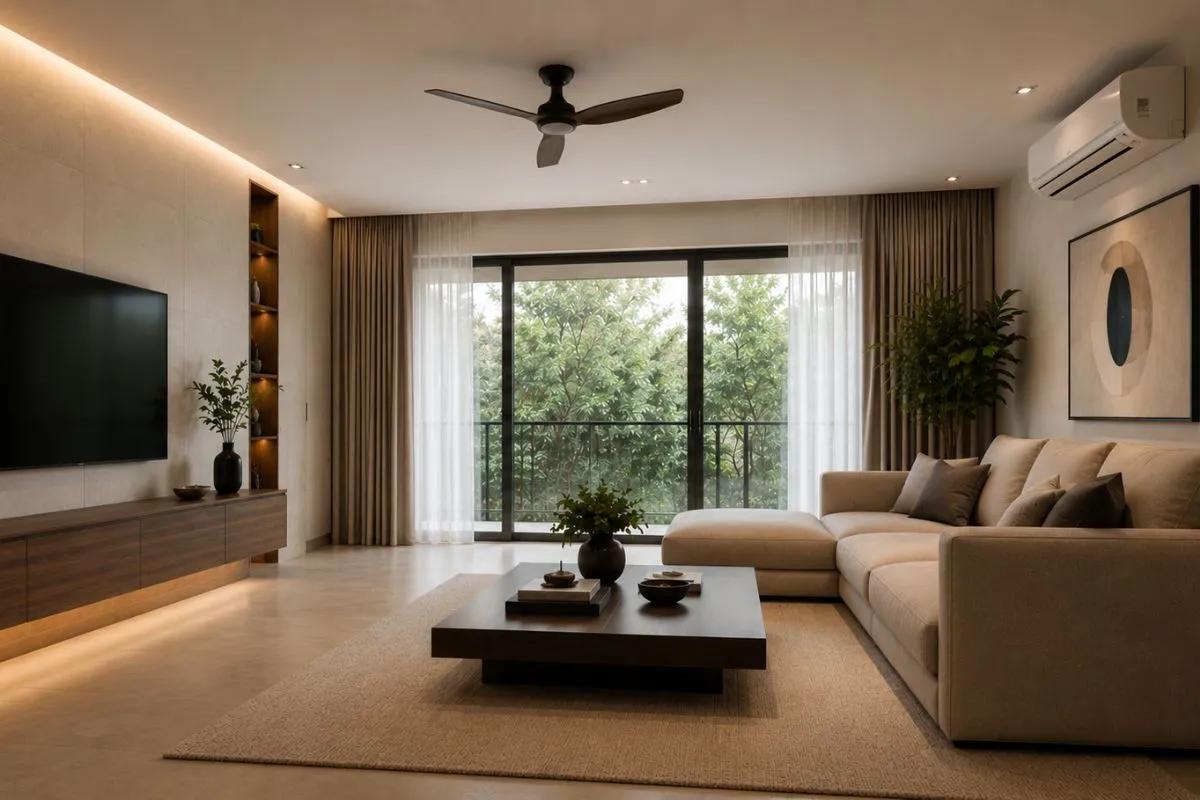
Minimalism often works well in apartments and compact urban homes because it reduces visual interruption. When furniture is properly scaled and pathways stay clear, a room feels easier to move through.
That does not mean every wall should be beige. It means the room should not fight for your attention from every direction.
The National Building Code of India gives importance to natural light and ventilation in building design. Those ideas matter indoors too. A space feels more open when daylight is not blocked by heavy furniture and more comfortable when air can move freely.
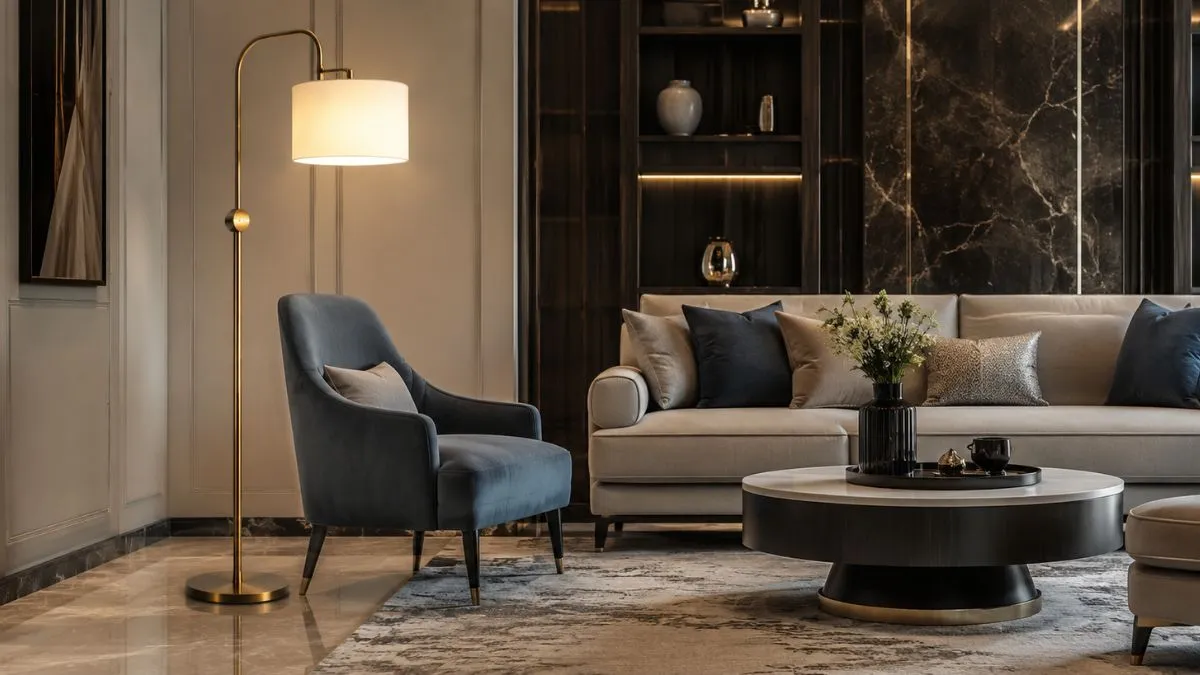
What Makes a Minimalist Home Feel Luxurious?
The fewer objects you use, the more visible their quality becomes. A poor finish has nowhere to hide.
Luxury minimalism often relies on:
- Custom storage that blends into the wall
- One well-made sofa instead of several small seats
- Warm wood, stone or textured plaster
- Soft curtains and layered lighting
- One strong piece of art
This approach suits homeowners who prefer calm, dislike visual clutter and want straightforward upkeep.
Where Minimalism Can Go Wrong
The biggest mistake is designing a room for photographs instead of real life.
A family still needs space for bags, chargers, keys, toys and paperwork. Without planned storage, those things land on clean surfaces and the whole look falls apart.
Minimalism also feels impersonal when every trace of the homeowner is removed. A few books, photographs or meaningful objects can make the room feel lived in without making it busy.
Is Maximalism Better for an Expressive Home?
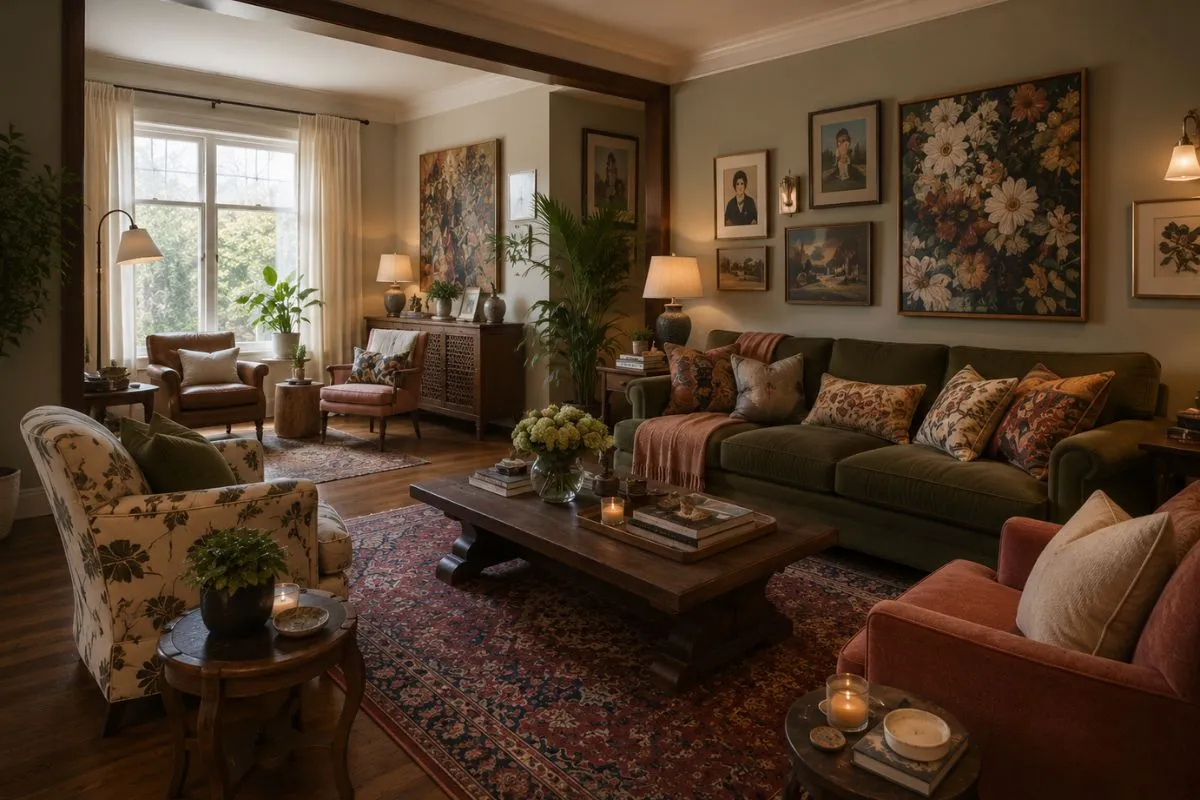
Maximalism works for people who enjoy looking at things they love. It gives a place to paintings, textiles, ceramics, books, family pieces and craft.
For Indian homes, this style can feel natural. A contemporary sofa may sit beside an old wooden chest. A modern light may hang above a handwoven rug. Maximalism makes room for those contrasts.
How to Layer Without Losing Control
Begin with one anchor, such as a rug, artwork, wallpaper or upholstered chair. Pull colours from that element and repeat them around the room.
A simple order helps:
- Pick one dominant colour.
- Add one or two supporting shades.
- Use one large pattern.
- Bring in smaller patterns through cushions or art.
- Repeat a colour in at least three places.
- Leave a few plain surfaces untouched.
Even a rich room needs moments of rest.
How to Keep Collections from Looking Messy
Maximalism needs better organisation than people expect. When every item is placed separately, the room feels scattered. Grouping creates order.
Useful living room styling tips include:
- Arrange art as one planned wall.
- Place small objects together on a tray.
- Use cabinets for delicate collections.
- Keep one or two surfaces mostly clear.
- Rotate decor instead of displaying everything at once.
The Indian Green Building Council encourages thoughtful material use and locally sourced products in green interior projects. That idea suits maximalist homes. Restored furniture, regional textiles and handmade objects often bring more character than mass-produced accessories.
What Should Decide Your Interior Style?
The best answer to how to choose interior style is visible in your routine.
Do you keep surfaces clear, or do you enjoy having books and objects around? Do you entertain often? Are you willing to dust open shelves?
Do you change decor regularly, or would you rather finish the room once and leave it alone?
Minimalism May Suit You If You Prefer
- Clear surfaces
- Concealed storage
- Quick cleaning
- A calm colour palette
- Open and quiet rooms
Maximalism May Suit You If You Enjoy
- Art, books and collections
- Colour and pattern
- Vintage or inherited pieces
- Changing displays
- Rooms with a strong personality
Room size matters too. Minimalism can make a small room feel calmer, but poor furniture scale can still make it cramped. Maximalism can work in a compact room when the colour palette is controlled and the display is concentrated in one or two areas.
Why Choose Only One Style?
Many of the best luxury home design ideas in India sit somewhere between the two.
You may want a clean architectural base, simple furniture and concealed storage, but still enjoy bold art and handcrafted textiles. That is often the most practical solution.
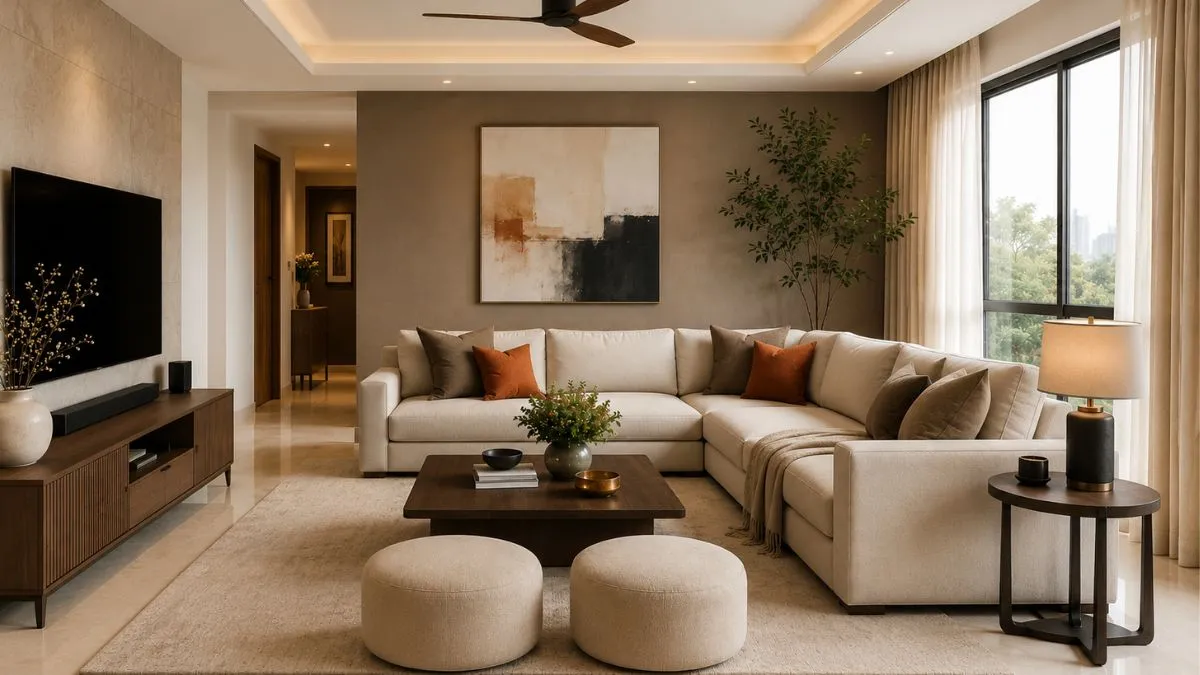
Warm Minimalism
Warm minimalism keeps the layout simple but softens it with natural materials, plants, warm lighting and personal objects.
Think cream walls, a solid wood table, textured upholstery and one large artwork. The room stays calm, but it does not feel strict.
Curated Maximalism
Curated maximalism begins with a simple base and adds colour through selected layers.
A neutral sofa, patterned rug, expressive artwork and a few collected objects can create plenty of personality. Storage keeps the background organised, while the visible pieces tell the story.
Which Style Will Still Feel Right Years Later?
Choose the style that makes daily life easier and more enjoyable.
Minimalism may be right when open space helps you relax. Maximalism may be right when colour and familiar objects make you feel at home. You can also use different moods in different rooms. A quiet bedroom and a more expressive living room can sit comfortably under the same roof.
The strongest interiors are not loyal to a trend. They are loyal to the people living in them.
READ ALSO: Duplex House Interior Designs Inspired by Luxury Living
FAQ’s
1. Is Minimalist Design Suitable for a Luxury Indian Home?
Yes. Quality materials, custom storage and careful lighting can make a minimalist home feel warm and premium.
2. Can Maximalist Decor Work in a Small Room?
Yes. Keep the colour palette connected and concentrate the decoration instead of filling every surface.
3. Which Style is Easier to Maintain?
Minimalism usually needs less dusting, while maximalism needs more regular cleaning and editing.
4. Can Both Styles Be Used in the Same Home?
Yes. A simple base with expressive art, textiles and collected pieces creates a balanced look.