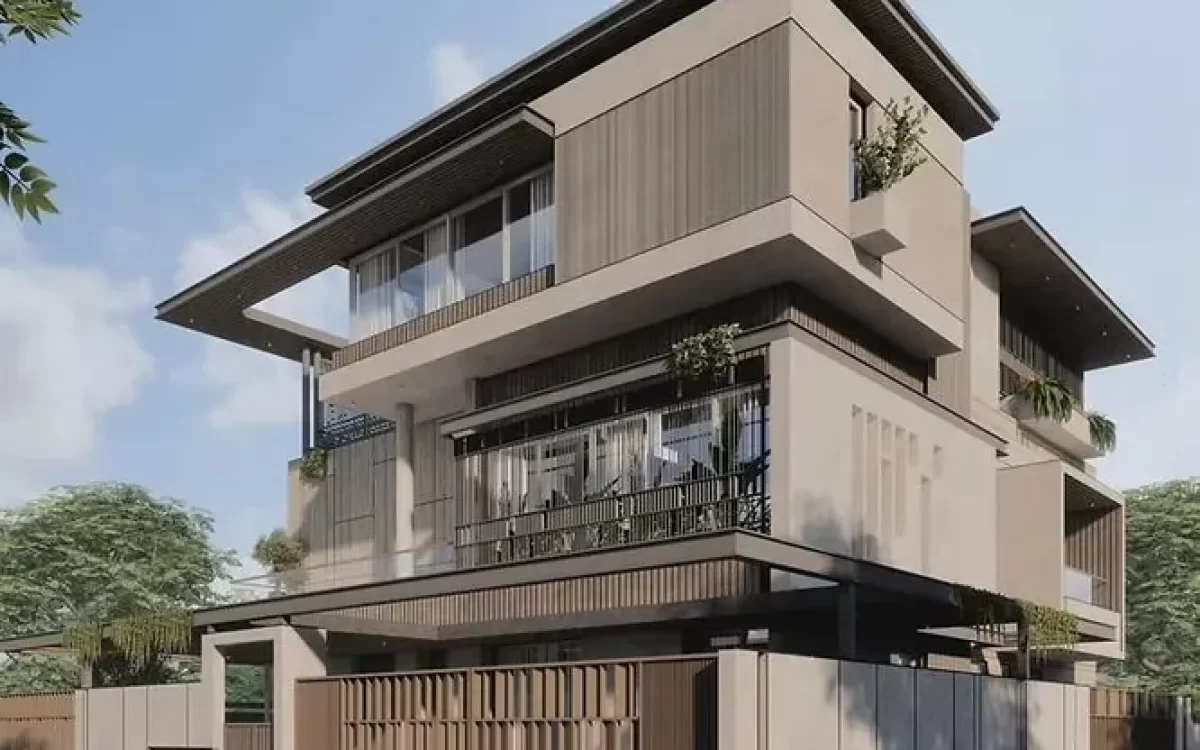
The building facades are not only the first visual to greet someone coming into a building, but it is also inviting skin, a signature of the building, and a functional element affecting energy efficiency, durability, and value. Hence to choosing a good building facades material requires a study of a challenge between creating an architectural marvel and designing a structure with survival through ages. This guide, therefore, outlines pertinent factors and material applications that will assist you in creating attractive and enduring building facades.
Why Building Facades Are Crucial in Modern Architecture?
Facades building play a multifaceted role in modern architecture. Three key reasons why they matter:
1. Aesthetic Appeal:
Facade buildings give their unique identity and first impression making them a crucial element of design.
2. Functional Benefits:
- Protection against harsh weather conditions.
- Improved energy efficiency through thermal insulation and solar reflectance.
- Reduced long-term maintenance costs.
3. Sustainability:
With the rise of eco-conscious design facades increasingly use sustainable materials to reduce the environmental footprint of buildings.
Factors to Consider When Choosing Facade Materials
Selecting the right materials for building facades requires balancing style durability and functionality. Here are the key factors to evaluate:
1. Durability:
- Opt for materials that resist weathering moisture and UV exposure.
- Prioritize options like porcelain slabs, stones, and metal panels for long-lasting performance.
2. Style and Aesthetic Versatility:
- Choose materials that complement the architectural theme whether modern traditional or minimalist.
- Look for options with customizable colors textures and finishes.
3. Energy Efficiency:
- Consider materials with high thermal insulation properties.
- Use light-coloured or reflective surfaces to minimize heat absorption in warm climates.
4. Maintenance Requirements:
Select materials that are easy to clean and maintain over time.
5. Cost vs. Longevity:
Balance initial investment with long-term savings on repairs and replacements.
Popular Facade Materials and Their Benefits
Here is a detailed look at the most commonly used facade materials:
1. Porcelain Slabs
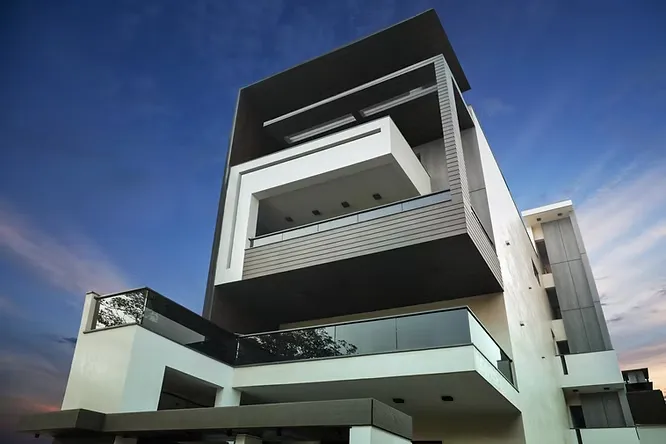
Advantages:
- Lightweight and durable.
- Scratch-resistant and low-maintenance.
- Eco-friendly with a low environmental impact.
Best For:
- Modern and minimalist designs.
- Projects requiring sustainable facade solutions.
2. Glass Panels
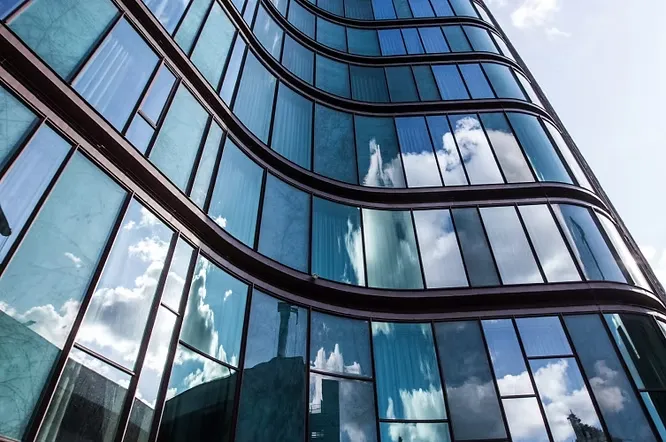
Advantages:
- Sleek and contemporary look.
- Enhances natural light inside the building.
Best for:
- Provides a sleek, modern look with natural light benefits.
- Enhances aesthetics while improving energy efficiency with insulated glass options.
3. Metal Panels (Aluminum Steel Corten Steel)
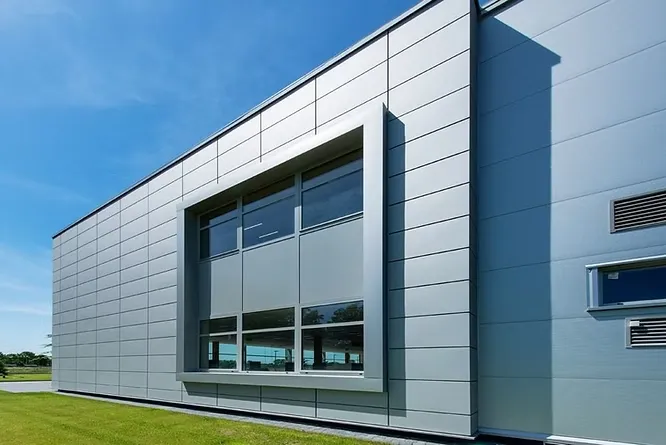
Advantages:
- Industrial aesthetic with excellent corrosion resistance.
- Highly customizable in terms of texture and finish.
Best For:
Contemporary and industrial-style facades.
4. Fiber Cement Panels
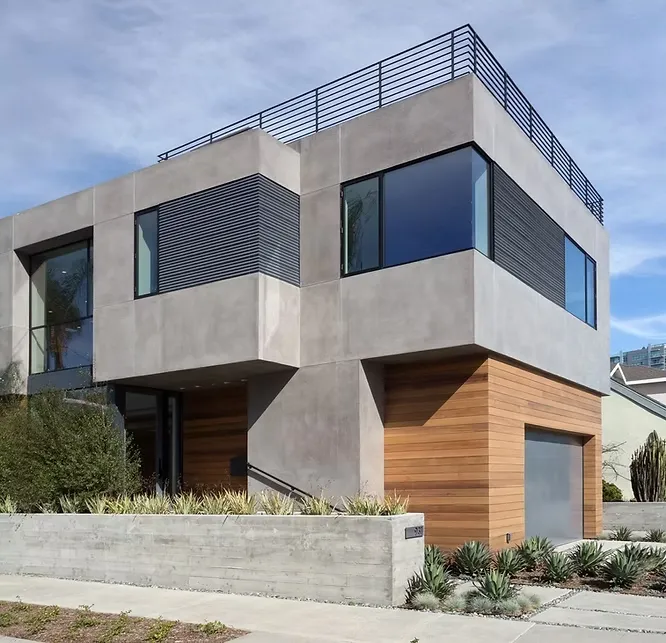
Advantages:
- Lightweight and fire-resistant.
- Available in a wide range of designs and colours.
Best for
Ideal for residential and commercial buildings due to their weather resistance.
Benefits of Using Sustainable Facade Materials
Incorporating sustainable materials in building facades offers a range of advantages:
1. Reduced Environmental Impact:
Eco-friendly materials like porcelain slabs and fiber cement panels minimize carbon emissions.
2. Energy Efficiency:
Reflective surfaces and high thermal insulation reduce energy costs by minimizing heating and cooling needs.
3. Durability and Longevity:
Sustainable materials often come with enhanced durability reducing the need for frequent replacements.
Trends in Facade Design
- Biophilic Design: Incorporating natural textures and green walls.
- Mixed Materials: Combining wood, metal, and Porcelain slabs for contrasting textures.
- Minimalist Aesthetics: for example, Porcelain slabs provide Clean lines, and neutral tones dominate modern designs.
Tips for Selecting the Right Facade Material
1. Understand the Local Climate:
Choose materials suited for your region’s weather conditions such as moisture-resistant options for rainy areas.
2. Consult Experts:
Collaborate with architects and facade specialists to make informed decisions.
3. Prioritize Energy Efficiency:
Opt for materials with high solar reflectance and thermal insulation.
4. Focus on Long-Term Value:
Evaluate the life cycle of materials including maintenance and replacement costs.
The Future of Facade Design
1. Emerging Technologies
Smart materials that adapt to environmental changes such as self-cleaning surfaces and dynamic shading systems.
2. Eco-Friendly Innovations
Increasing use of recyclable and renewable resources in facades.
3. Customization
Advances in 3D printing and modular facades offer unparalleled design flexibility.
Conclusion
The building facade is not merely an exterior aesthetic ornament, but a contributor in every way possible to the unsustainable functional aspects of structures. Facade materials carefully deliberated ensure that your building is not only aesthetic in nature but also durable and energy-efficient. It could be porcelain slabs for a modern minimalist look or fiber cement for a timeless appeal; it’s a matter of how to combine style, durability, and conscious respect for the environment. Start with the step of creating not just aesthetically appealing but also long-lasting facades.