📅 Published: 23 July, 2026 | 🔄 Last Update: 23 July, 2026 | ⏱️ Read Time: 8 min read
TL;DR:
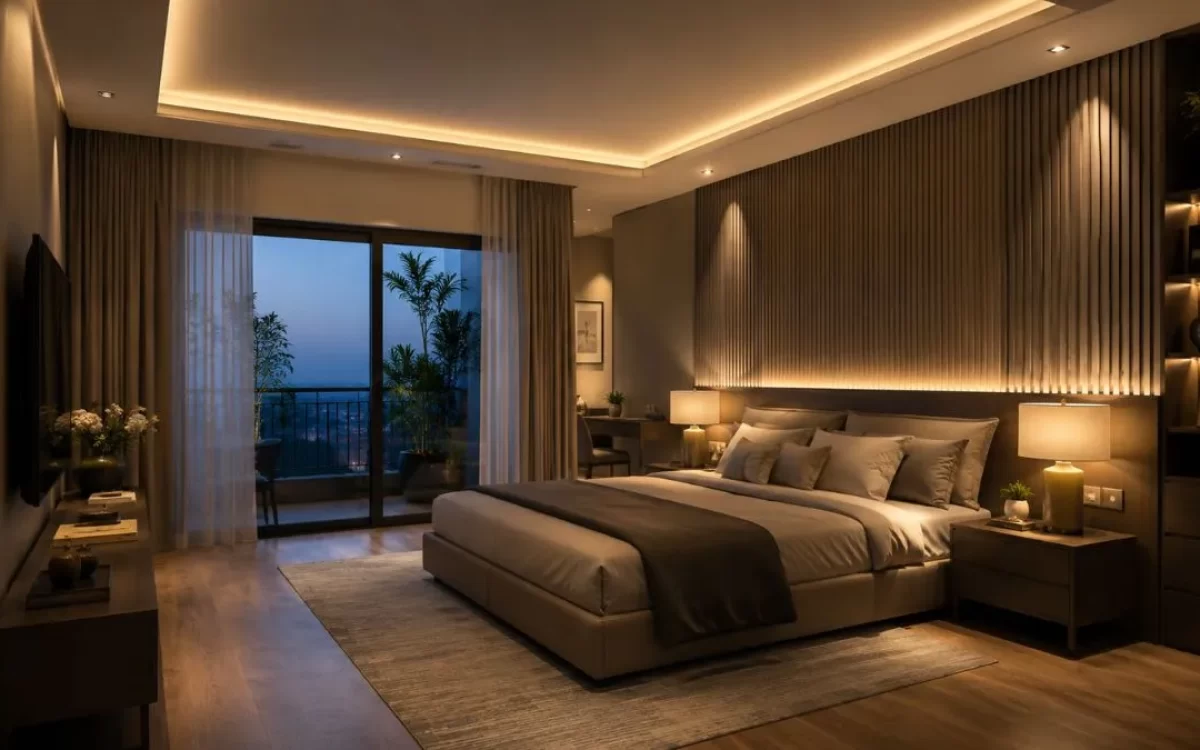
One ceiling fixture cannot handle reading, cooking, entertaining and relaxing all at once. A well planned Layered Lighting approach uses three light types together: ambient light for general visibility, task light for focused activities, and accent light to highlight art, textures, and niches. Balance these three differently in each room, with strong task light in kitchens, warm ambient light in bedrooms, and a pendant centred over the dining table. Keep warm white in living and sleeping areas, and place each light group on its own circuit with dimmers. Plan everything before the false ceiling is closed, since wiring and driver positions are decided early.
A well-designed room can still feel flat when the lighting is wrong. One ceiling fixture may illuminate the space, but reading, cooking, entertaining and relaxing need different kinds of light.
Layered lighting solves this by combining several light sources within one room. Each source has a purpose, yet all work together. The result is a home that feels practical by day and warmer at night.
This guide explains the main light layers and how to use them in modern Indian homes.
What Is Layered Lighting and How Does It Work?
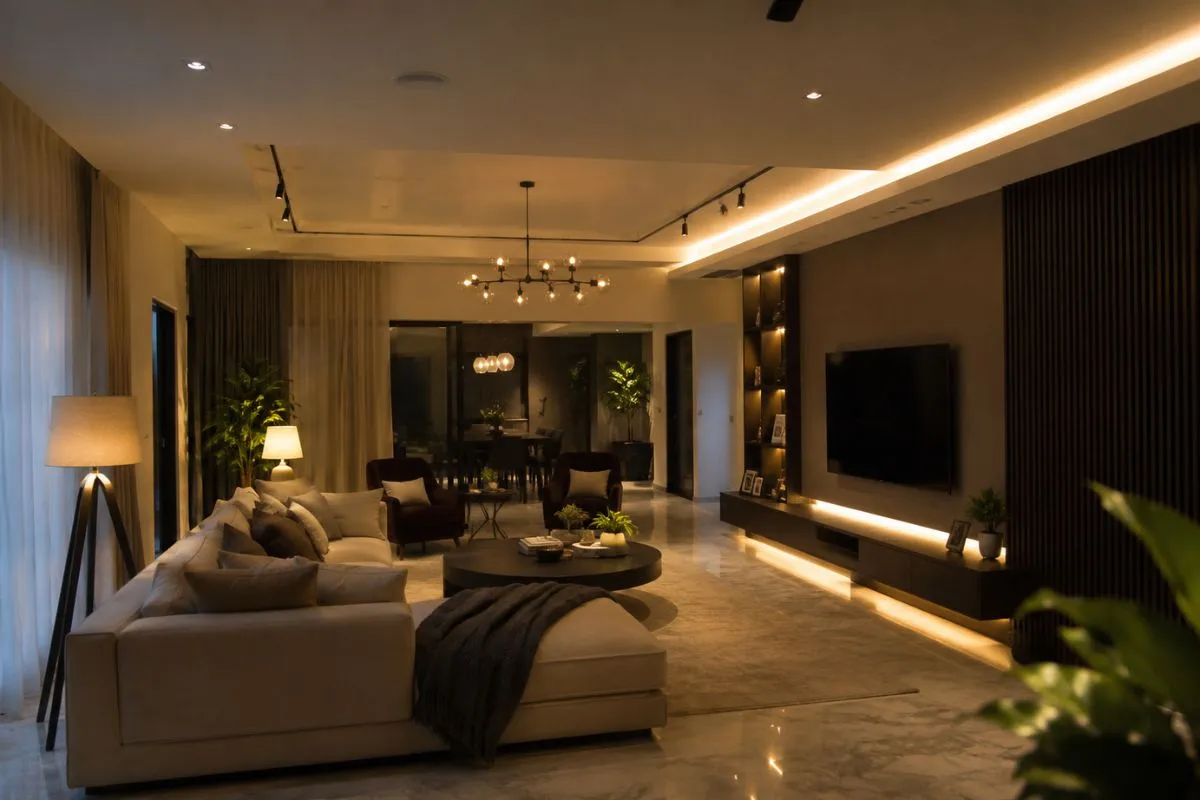
Layered lighting is a planned mix of ambient, task and accent lighting.
Ambient light provides general visibility. Task light supports a particular activity. Accent light highlights selected architectural or decorative details. Together, these three layers give a room depth, comfort and flexibility.
The aim is to create options. Use ambient and task lighting while working, then softer accent lighting when guests arrive.
The Three Essential Light Layers
| Light layer | Main purpose | Suitable fixtures | Common placement | Best control |
| Ambient | Overall illumination | Chandeliers, recessed lights, cove lights and ceiling fixtures | Ceiling and central areas | Dimmer or zoned switch |
| Task | Focused visibility | Pendants, reading lamps, under-cabinet strips and vanity lights | Worktops, desks, bedsides and mirrors | Separate switch |
| Accent | Visual emphasis | Spotlights, wall washers, picture lights and profile strips | Artwork, niches, shelves and textured walls | Independent dimmer |
Why Does Every Room Need More Than One Light Source?
Most rooms perform several functions. A living room may support conversations, television and reading, while a bedroom needs calm light and clear wardrobe visibility.
Depending only on one ceiling fixture often creates these problems:
- Faces look shadowed because light falls only from above.
- Corners stay dark while the centre appears too bright.
- Materials and wall textures lose visual depth.
- The room cannot shift easily between work and relaxation.
- Extra brightness is used to compensate for poor placement.
Different light layers spread illumination across several heights. Ceiling fixtures provide the base, lamps support activities and wall lights soften the atmosphere.
Better lighting is not always about using more wattage. It is about placing the right fixture where it is actually needed.
How Do Ambient, Task and Accent Lighting Work Together?
Each layer has a separate job. A balanced design appears only when all three are coordinated.
1. Ambient Lighting as the Foundation
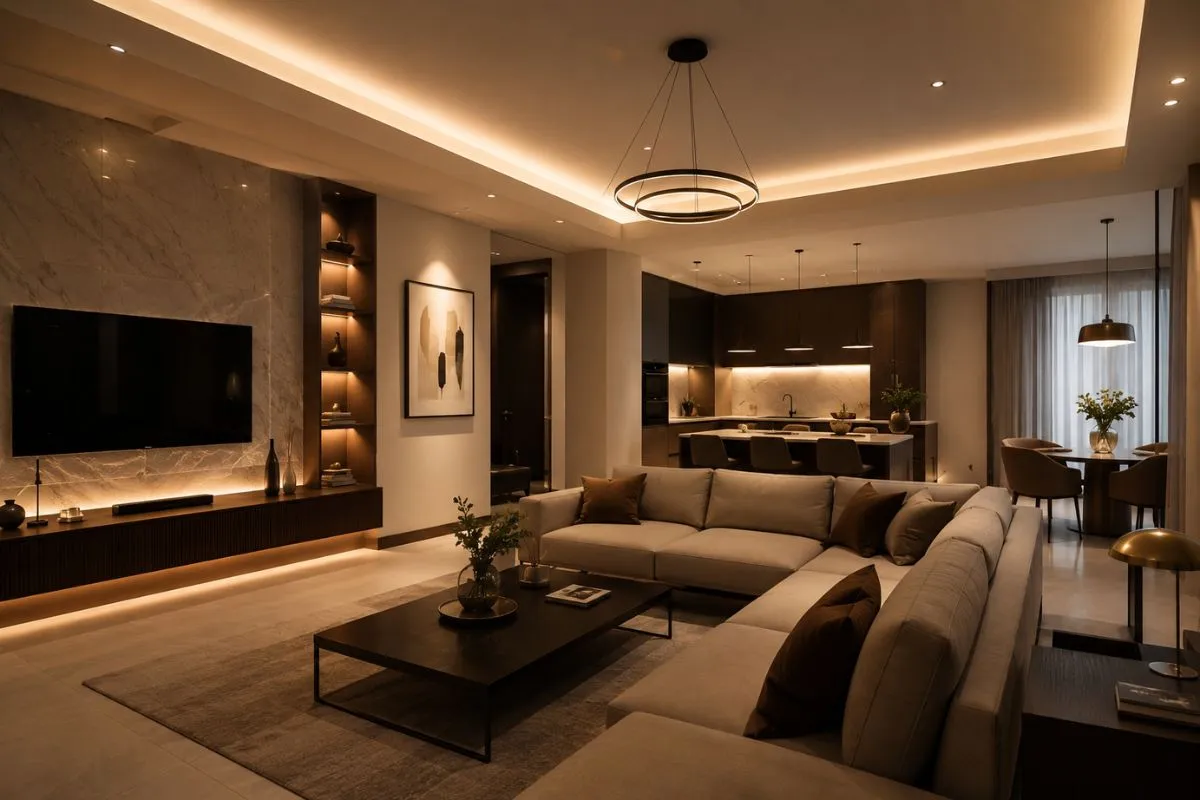
Ambient lighting helps people move comfortably around the room. Common choices include chandeliers, recessed lights, ceiling-mounted fixtures and concealed cove lights.
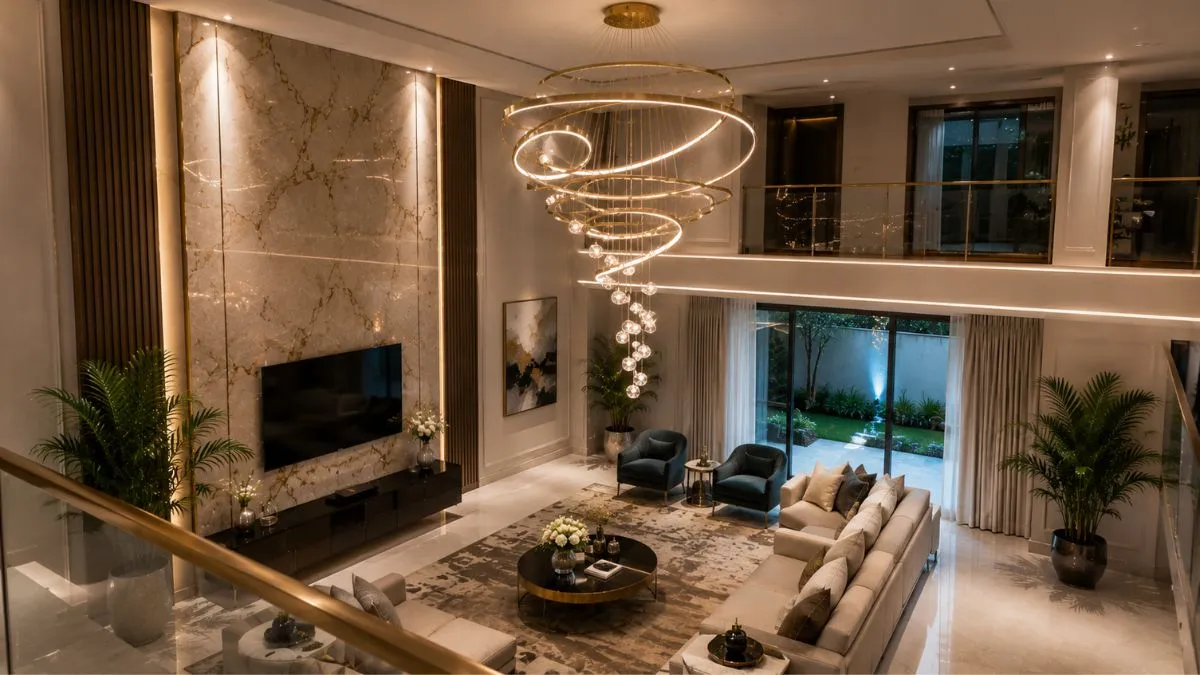
Fixture size should match the room. A chandelier may suit a double-height space, while a flush-mounted design works better in a compact apartment.
Avoid installing downlights in a rigid grid on the false ceiling. Their position should respond to furniture, circulation and architectural features.
2. Task Lighting for Daily Activities
Task lighting is brighter and more focused. It is useful for reading, chopping vegetables, working at a desk or using a mirror.
Useful task-lighting positions include:
- Under kitchen cabinets
- Beside the bed
- Above a study desk
- Around a bathroom mirror
- Over a dining or kitchen island
The light should fall on the working surface, not directly into the eyes. Poor aiming can create glare.
3. Accent Lighting for Depth
Accent lighting gives luxury interiors a finished look. It can reveal the texture of a wall, frame artwork or create a glow inside a display shelf.
Use it selectively. Choose a few visual anchors such as art, fluted panels, plants or textured surfaces.
When every corner is highlighted, nothing remains special. A single well-positioned wall washer can create more impact than several decorative fixtures competing for attention.
How Should Layered Lighting Be Planned for Each Room?
The same three layers can be used throughout the house, but their balance changes from room to room.
1. Living Room
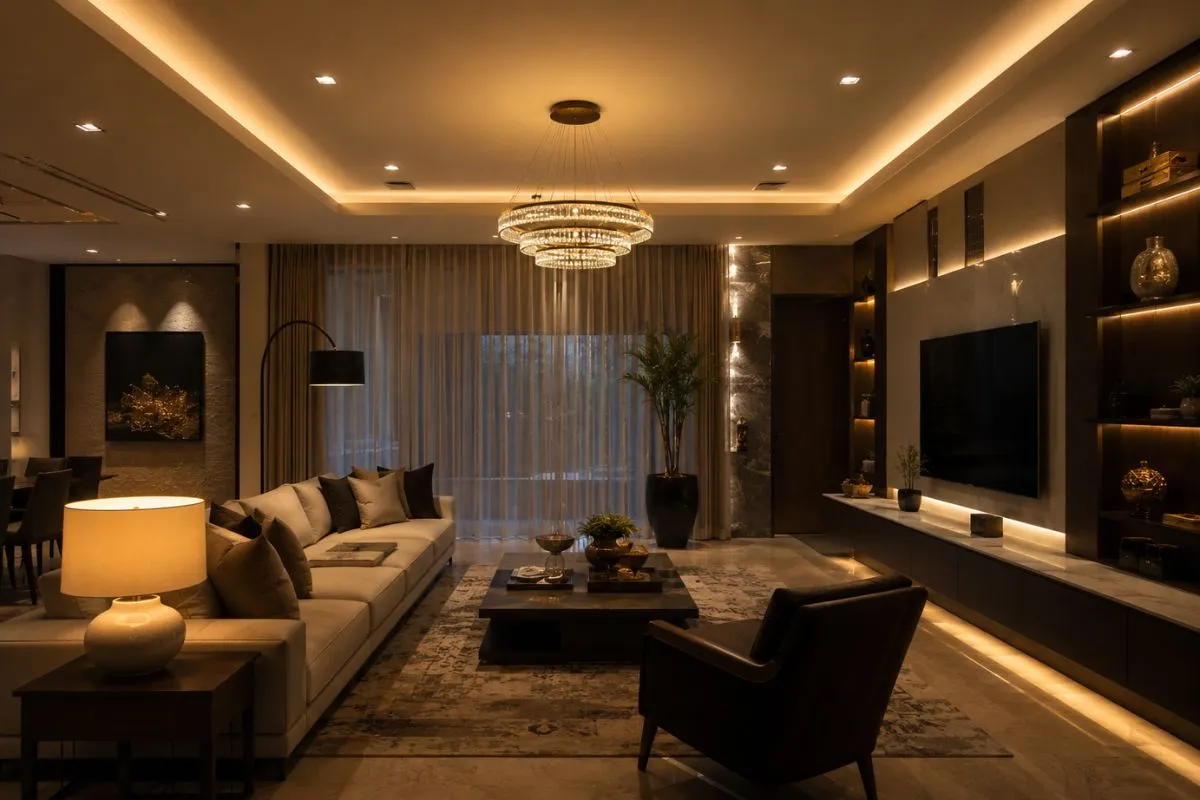
Luxury living room lights should support conversation, entertainment and relaxation. Begin with ambient light, then add focused light near seating and décor.
A useful combination includes:
- A chandelier or statement pendant
- Cove lighting for a soft ceiling glow
- Floor or table lamps near sofas
- Adjustable spotlights for art
- Profile lighting inside shelves
Keep these groups on separate circuits so the mood can change easily.
2. Kitchen
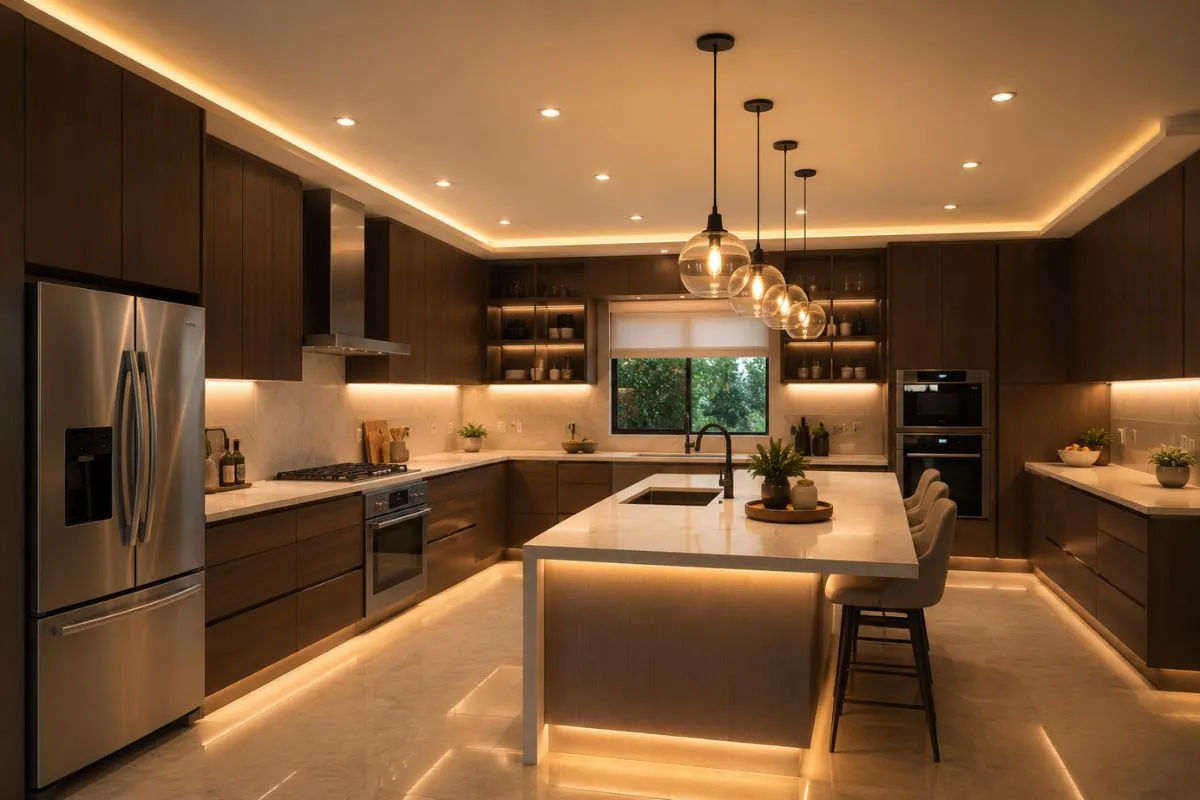
The kitchen needs strong task lighting. Ceiling lights alone may cast shadows because the user stands between the fixture and the counter.
Combine even ambient light with under-cabinet LED strips, pendants above an island and focused light near work areas. Choose fixtures that are easy to clean.
3. Bedroom
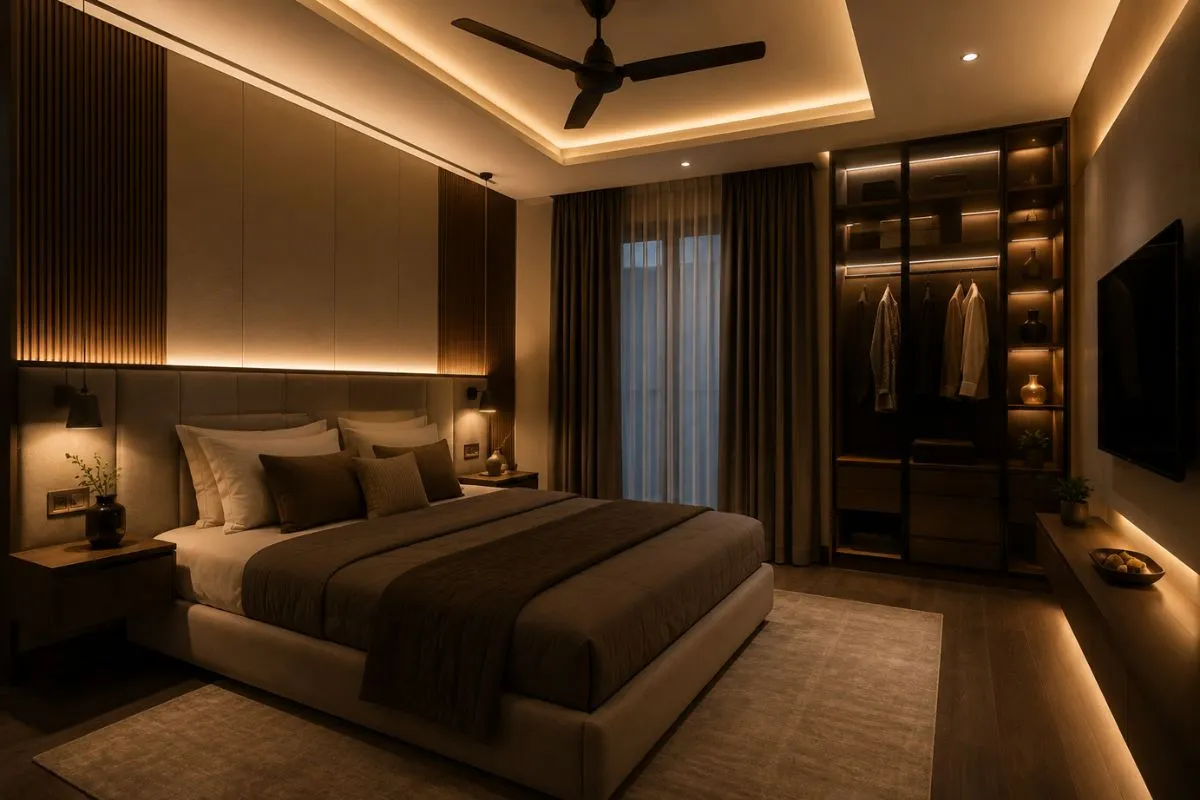
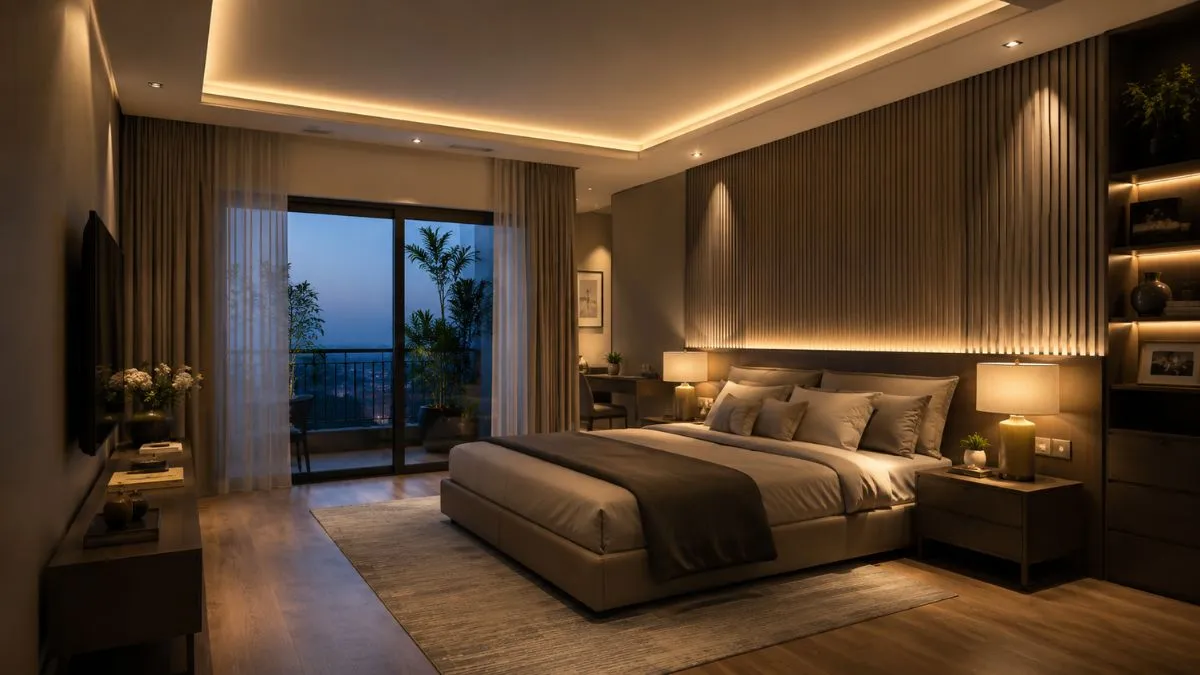
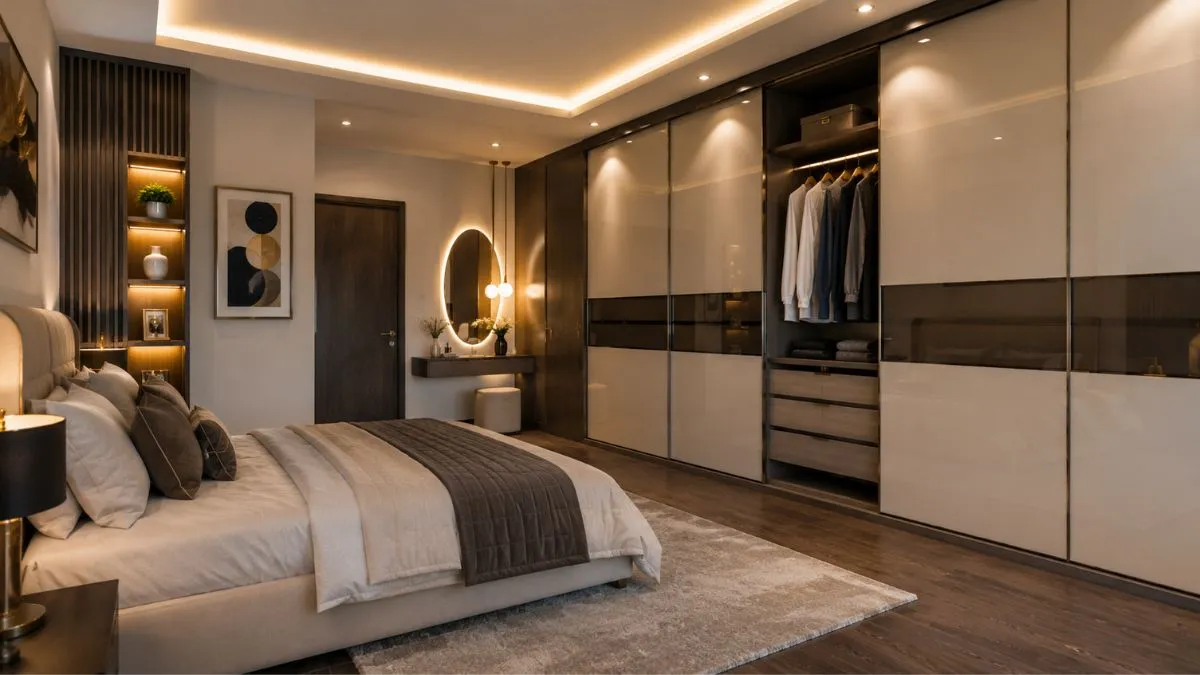
Use warm ambient lighting, bedside task lights and gentle accents near the headboard, curtains or wardrobe. Bedside controls also make the room more convenient at night. The main lights can be switched off without walking back to the entrance.
4. Dining Area
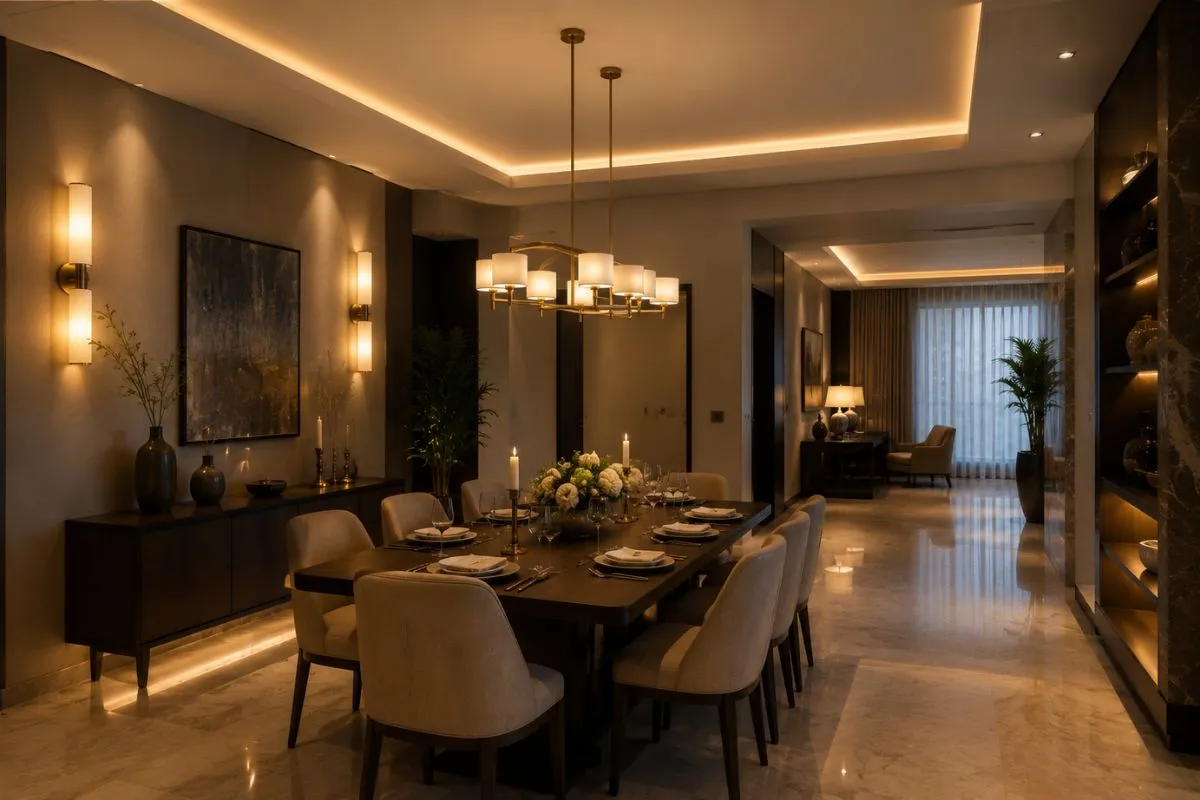
Place a pendant or chandelier directly above the table. Add soft background lighting through wall sconces or a cove so the rest of the room does not disappear into darkness.
The fixture should be centred over the table rather than simply centred within the room.
READ ALSO: Quick Tips for Stunning Dining Room Colour Combinations
5. Bathroom
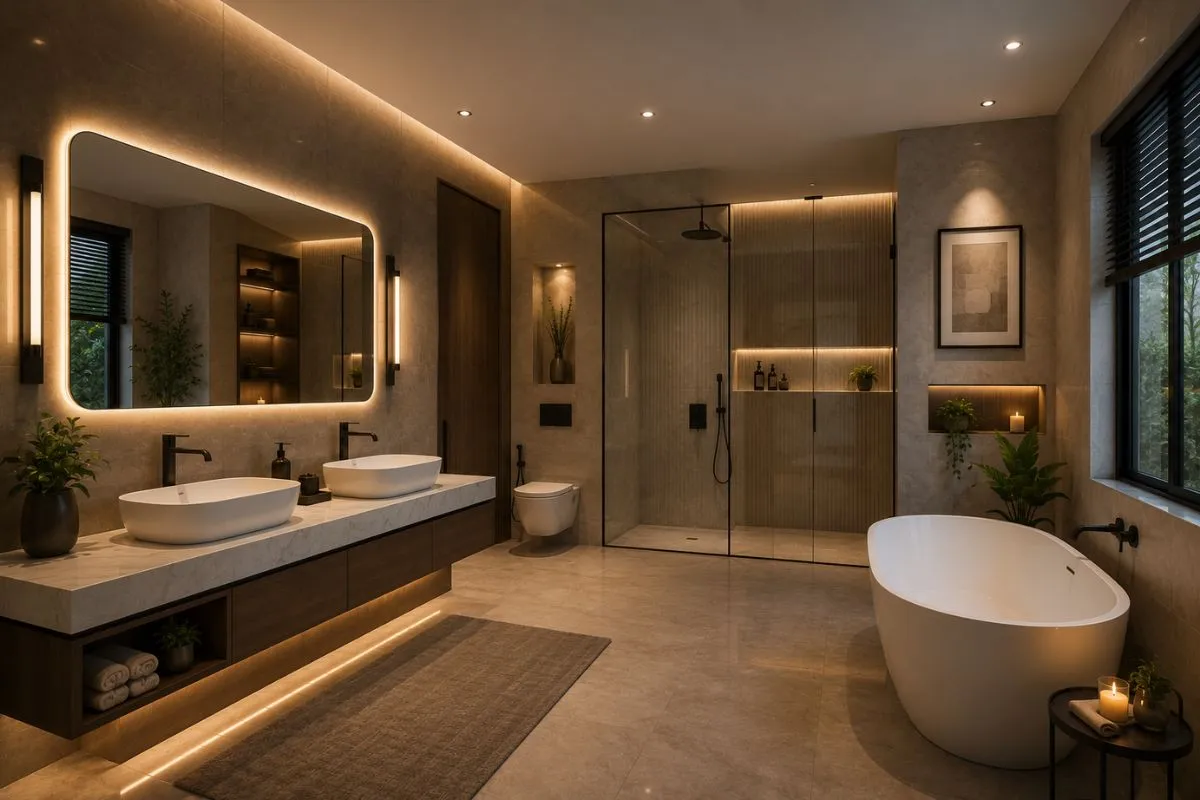
Bathrooms need clear general lighting and shadow-free mirror illumination. Use suitable fixtures for damp areas.
Lighting beside or above the mirror usually gives better facial visibility than a single downlight placed behind the user.
6. Passage and Staircase
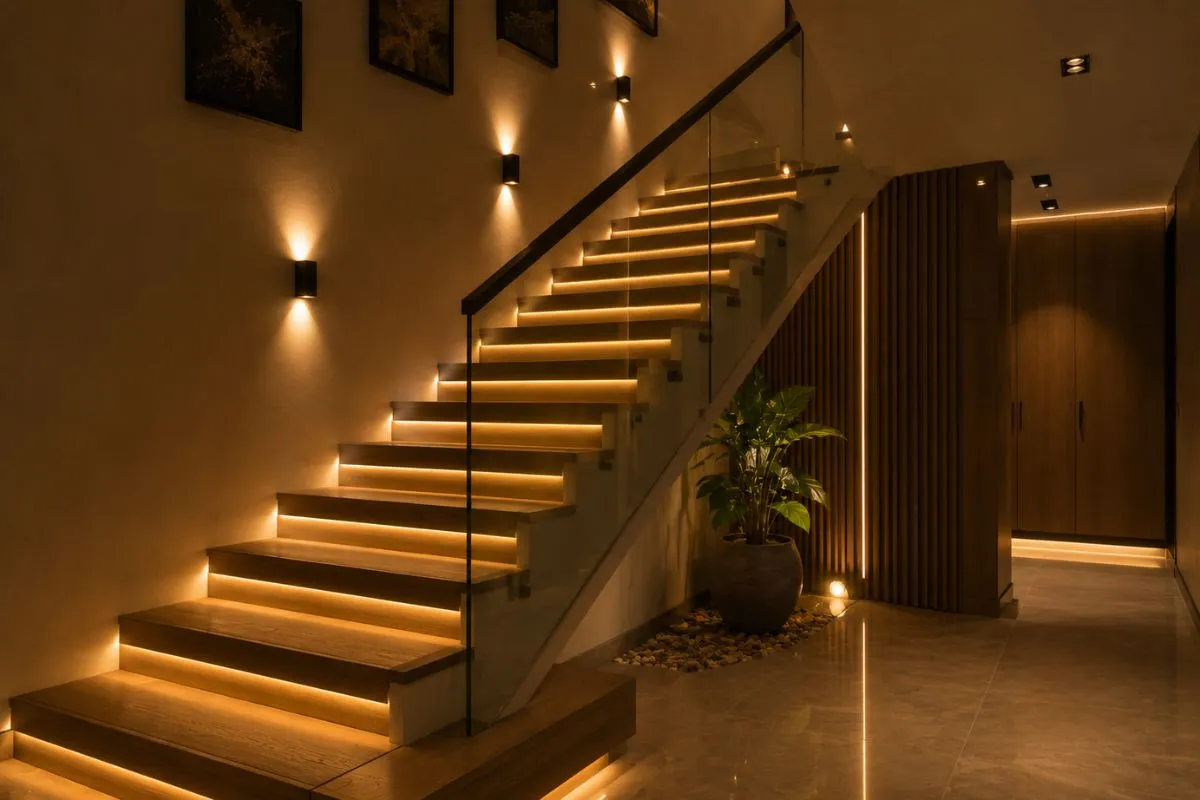
Wall lights, step lights and concealed profiles improve visibility without making these areas overly bright. Low-level night lighting can also make movement more comfortable.
Which Fixtures Work Best in Modern Indian Homes?
The best fixture is not always the most decorative one. It should suit the ceiling height, room size, maintenance needs, and design style. Choosing the right fixtures also helps create Layered Lighting, making every space feel balanced, comfortable, and functional.
Popular Fixture Choices:
- Recessed downlights for clean general lighting
- Magnetic track lights for adjustable focus
- Linear profiles for kitchens and wardrobes
- Pendants for dining tables and islands
- Wall sconces for bedrooms and passages
- Floor lamps for flexible reading light
- LED strips for shelves, niches and coves
While exploring home lighting design ideas or modern ceiling lights in India, check beam angle, colour temperature, colour rendering and glare control, not only wattage.
Two fixtures with similar wattage can create completely different results depending on how widely and evenly they distribute light.
How Do Colour Temperature and Controls Affect the Mood?
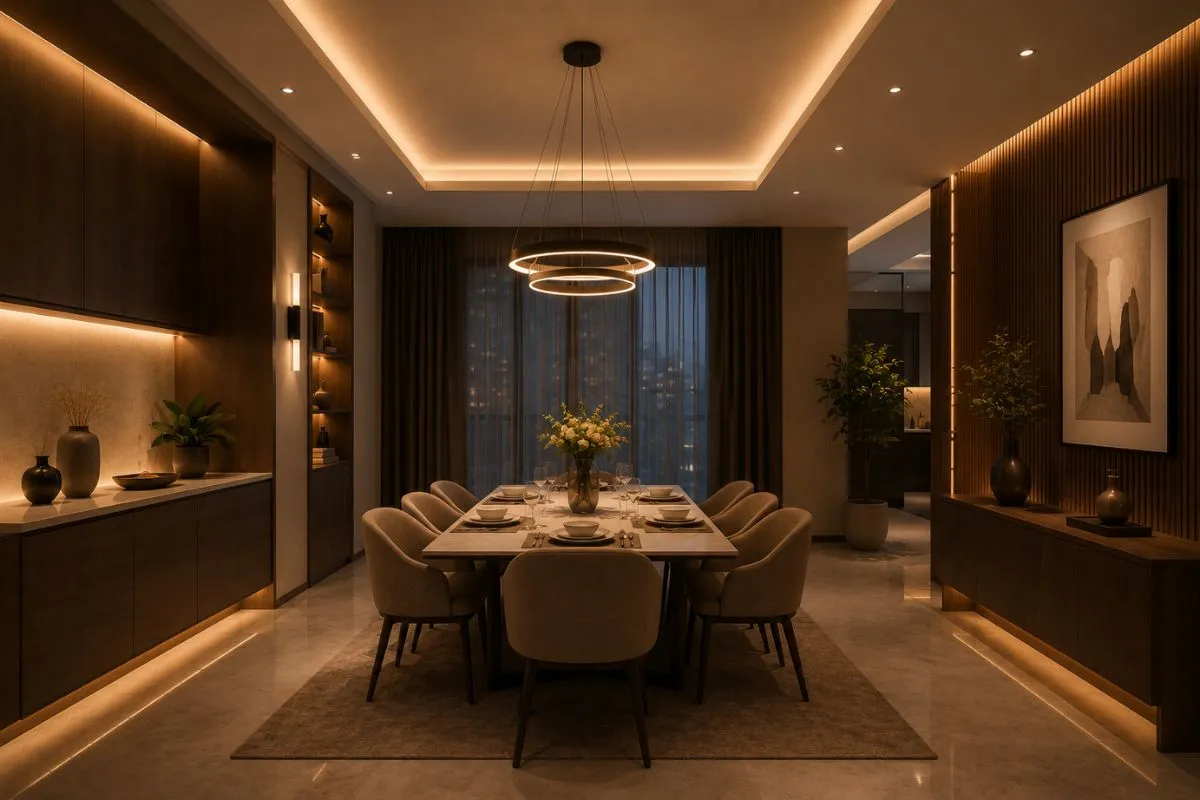
Colour temperature influences how a room feels. Warm white light creates a relaxed atmosphere, while neutral white supports clearer visibility.
A practical approach is to:
- Use warm white in living rooms, bedrooms and dining areas.
- Use warm-to-neutral light in kitchens and dressing spaces.
- Keep connected rooms visually consistent.
- Avoid mixing very cool and warm light without a reason.
Dimmers and separate switches make layered lighting far more useful. One switch for every fixture removes most of the flexibility the design was meant to provide.
In larger homes, scene controls can create preset settings such as Dinner, Reading, Guests and Night. Each setting can activate selected fixtures at suitable brightness levels.
What Mistakes Can Weaken a Layered Lighting Plan?
Even premium fixtures produce an ordinary result when the planning is poor.
- Planning after the ceiling is completed: Wiring, drivers and fixture positions must be decided earlier.
- Using too many downlights: Excess fixtures create glare and a cluttered ceiling.
- Ignoring furniture placement: Lights should align with the final furniture plan.
- Choosing only by appearance: Beam quality, brightness and maintenance matter too.
- Using one switch for the room: Separate circuits are essential for changing the mood.
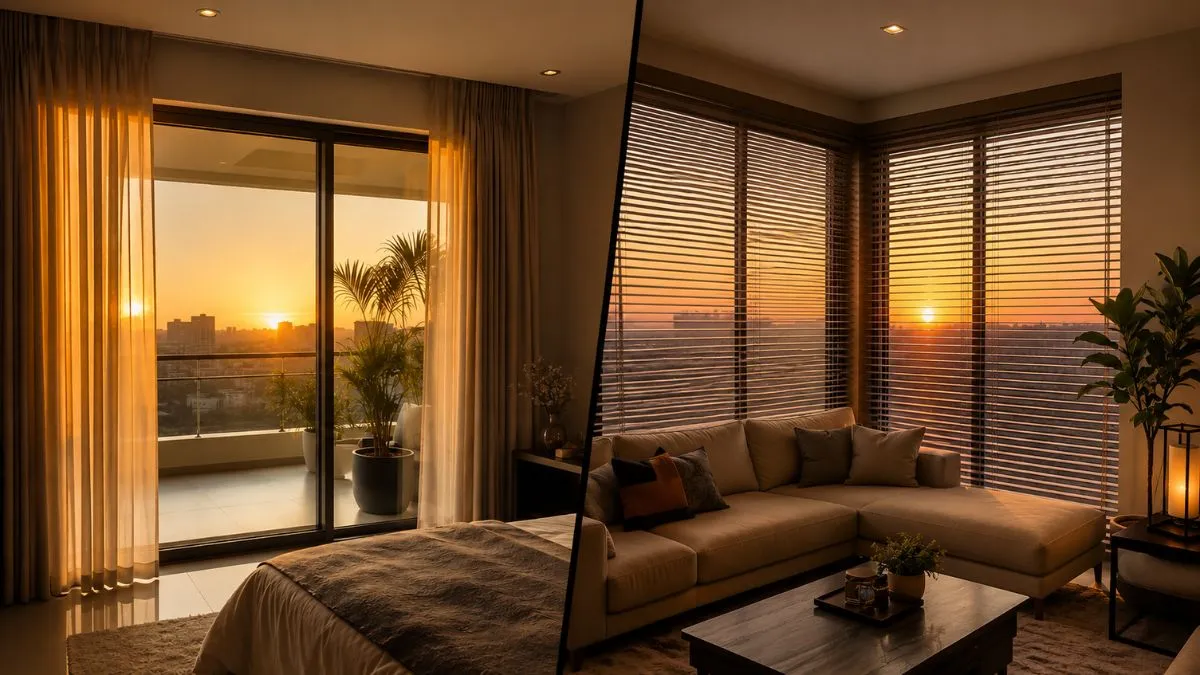
- Ignoring daylight: Artificial lighting should support natural light rather than compete with it.
- Highlighting everything: Accent lighting needs clear visual priorities.
Review the lighting through furniture layouts and wall elevations, not only through a reflected ceiling plan.
How Can Layered Lighting Remain Energy-Efficient?
Several light sources do not have to mean high electricity use. Layered Lighting stays energy efficient when you operate only the light layers needed at that moment.
The Bureau of Indian Standards identifies IS 3646 Part 1 as the Code of Practice for Interior Illumination, covering general requirements and recommendations for working interiors. Its wider principles around suitable illumination, visual comfort and glare awareness are useful references for professional lighting plans.
The Bureau of Energy Efficiency also encourages efficient lighting practices. Its residential retrofit guidance includes LED fixtures, occupancy sensors and timers to reduce unnecessary energy use.
For an efficient home:
- Choose quality LED fixtures.
- Use dimmers compatible with the selected LED drivers.
- Add occupancy sensors in wardrobes, utility rooms or passages where useful.
- Divide large rooms into separate lighting zones.
- Use timers for outdoor and landscape lights.
- Check BEE energy information for covered products where applicable.
Energy efficiency does not mean keeping rooms dim. It means providing suitable light with less waste and better control.
FAQ’s
1. Is Layered Lighting Suitable for Small Rooms?
Yes. A compact room also benefits from ambient, task and accent light when fixtures are chosen carefully.
2. Do All Three Layers Need to Be Used Together?
No. Each layer can be switched or dimmed according to the activity and mood.
3. Which Lighting Layer Should Be Planned First?
Start with ambient light, then add task lighting around activities and accent lighting around selected features.
4. Are Smart Controls Necessary?
No, but separate circuits, dimmers and scene controls make the lighting plan more flexible.